
When debating the Mustang Coupe vs Fastback, B2C buyers often focus solely on the sleek silhouette, completely missing the profound structural differences beneath the paint. For B2B suppliers, failing to understand these foundational variations leads to disastrous inventory mismatches and skyrocketing return rates. This guide acts as your ultimate visual and structural diagnostic tool, bypassing superficial aesthetics. We will dissect the architectural relationship between the roofline, C-pillar, quarter panels, and decklid starting from the B-pillar rearward. By understanding these core stamping differences, you will never misjudge a classic Mustang’s anatomy or order the wrong sheet metal again.
Visual Dynamics and Structural DNA
The Iconic Rooflines Explored
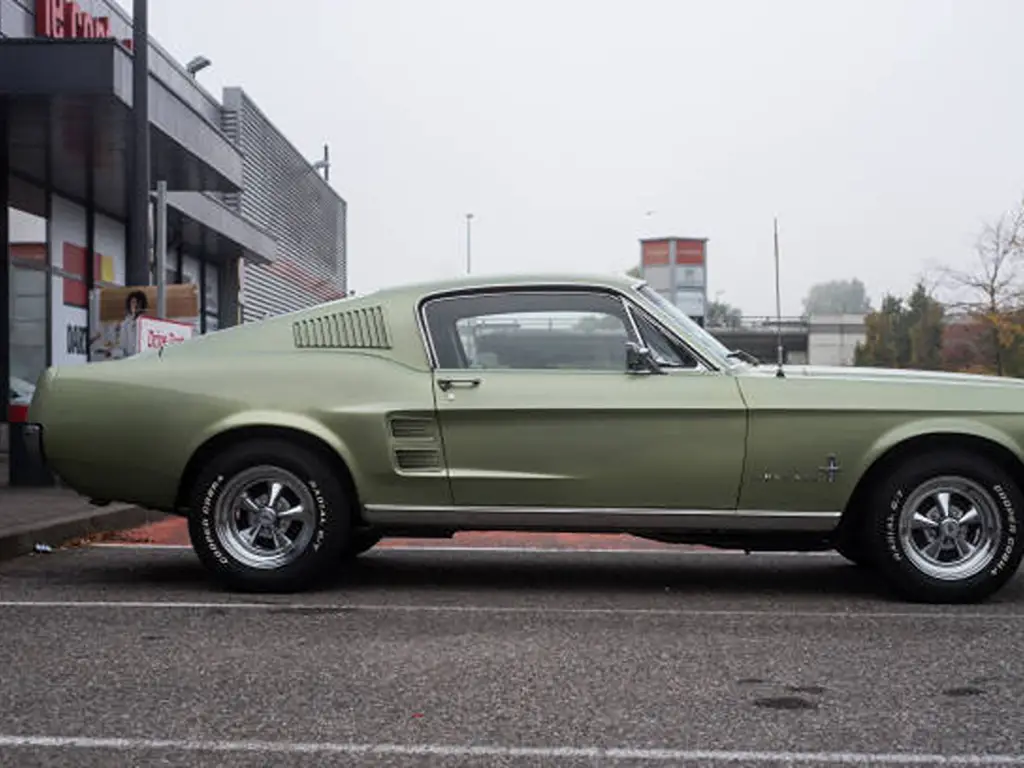
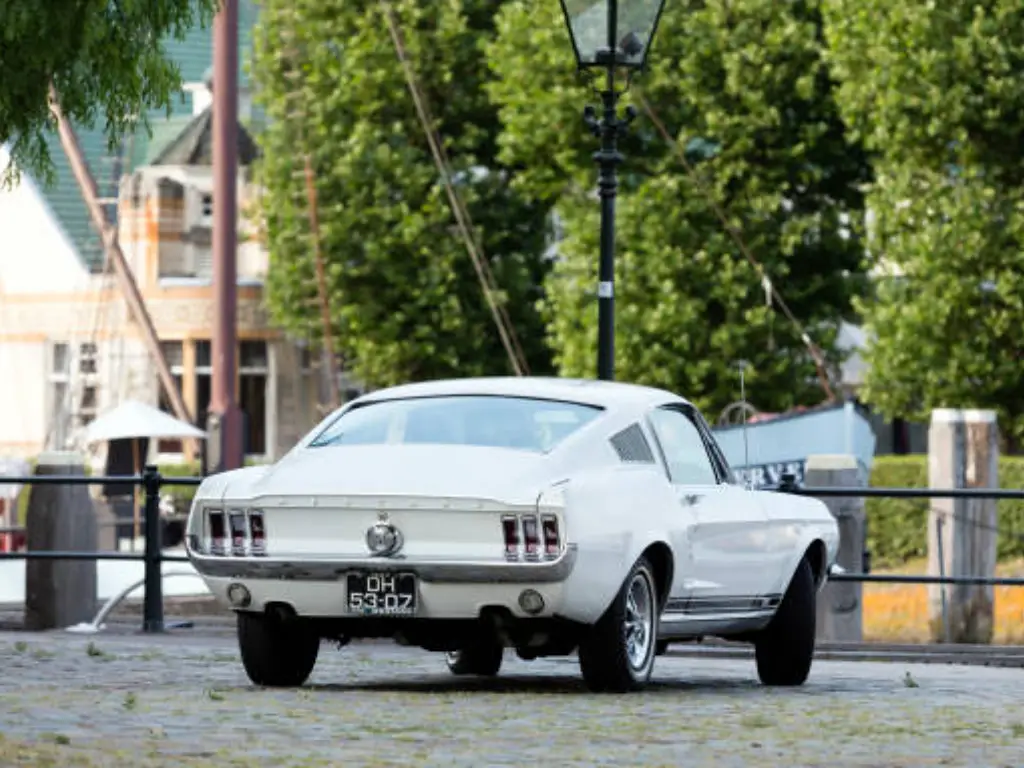
The core distinction between these two legendary vehicles lies in their fundamentally different roofline trajectories and quarter panel stampings. The Fastback features a sweeping, aerodynamic slope inspired by wind-tunnel water droplets, extending seamlessly all the way to the absolute edge of the rear decklid. In stark contrast, the Coupe utilizes a classic notchback design, creating a sharp, rigid drop behind the C-pillar that results in a much longer and flatter trunk lid. Because of this structural divergence, the rear quarter panels on a Fastback are entirely different from those on a Coupe, meaning no exterior sheet metal behind the doors can be swapped. These exterior discrepancies dictate major restoration implications, as B2B suppliers must source completely separate tooling for Fastback glass, interior trim, and rear body panels to properly serve both B2C enthusiast markets. Recognizing this foundational geometry immediately solves the B2C pain point of ordering incompatible exterior restoration parts.
Glass Proportions and Rear Profiles
Beyond the metal, the glass proportions dramatically alter both the aesthetic impact and the daily driving experience. The Fastback boasts a massive, sweeping rear window that essentially turns the cabin into a high-temperature greenhouse during summer drives while noticeably increasing interior noise levels. Additionally, its thick, wide C-pillars—often fitted with functional or decorative louvers—create massive blind spots that can be terrifying when merging in heavy traffic or navigating tight race tracks. Conversely, the Coupe features a much more vertical and compact rear window framed by slender pillars, offering exceptional all-around visibility and a significantly cooler, quieter cabin. For B2C buyers prioritizing everyday usability over weekend car show aesthetics, the Coupe’s superior outward visibility provides a distinct psychological and practical advantage. B2B shops can leverage this reality to steer budget-conscious clients toward Coupes, focusing their spending on mechanical upgrades rather than expensive custom glass sourcing.
Model-Year Differences and Exterior Identification
When analyzing these classic vehicles, it is crucial to understand that Mustang proportions changed dramatically from the 1965–1966 generation to the larger 1967–1968 models. The later iterations grew wider and longer, meaning a 1967 Fastback roofline sweeps even further back, terminating precisely at the taillight panel rather than the trunk edge. Never assume sheet metal from a 65-66 car will bolt onto a 67-68 chassis, as the underlying structural dimensions are completely segregated by model year, a common pitfall for novice B2B inventory buyers. To perform a rapid exterior identification check, simply stand at the side profile and trace the roofline from the B-pillar backward. By standardizing this visual appraisal method, both enthusiasts and parts distributors can instantly verify a chassis type before committing to a costly purchase.
To quickly differentiate the two models, observe these key areas in order:
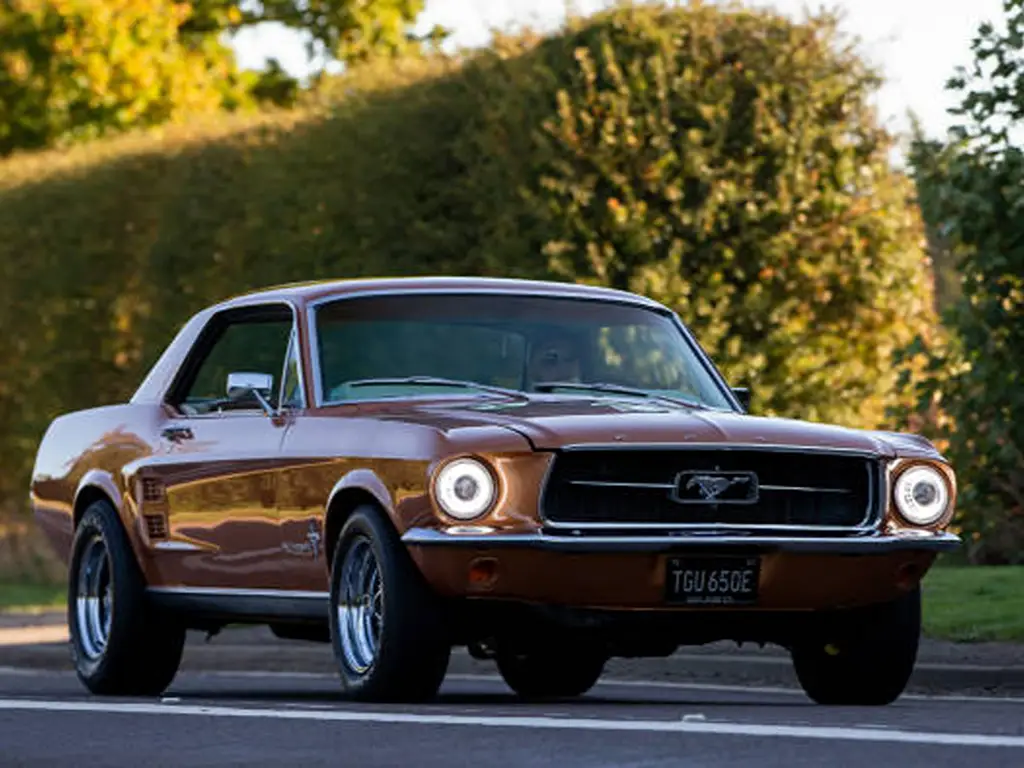
- 1. Roofline (Fastest Check): The Coupe maintains a clear platform behind the B-pillar before dropping sharply into an independent trunk, exhibiting a classic notchback profile. The Fastback slopes continuously from the roof all the way to the rear bumper. Remember the rule: “Visible step = Coupe; Continuous slope to the tail = Fastback”.
- 2. Rear Glass (Second Most Obvious): The Coupe’s rear glass is relatively upright and smaller in area, with a distinct decklid behind it. The Fastback features a massive rear glass panel that forms a continuous slope directly in line with the roof.
- 3. Decklid Proportions: The Coupe possesses a very clear, independently opening trunk lid with a traditional opening. On the Fastback, the rear slope consumes most of the body’s length, resulting in a significantly shorter decklid that creates a true fastback visual effect.
Cabin Ergonomics and Practicality Face-Off
B2C buyers often assume the Fastback’s massive premium automatically buys greater practicality, but real-world ergonomics tell a different story. For B2B interior suppliers, clarifying these cabin differences is essential to selling accurate restoration kits and preventing costly B2C return shipments.
The Fastback Fold-Down Seat Mechanism
The most celebrated interior feature of the Fastback is undoubtedly its mechanical fold-down rear seat system, which connects the cabin directly to the trunk. Operating this feature requires unlatching the top chrome hardware, folding the seatback completely flat, and locking it into the floor mechanism to create an expansive cargo platform. This unique configuration easily accommodates oversized items like surfboards, making the vehicle incredibly versatile for weekend getaways. Many buyers are completely unaware that this highly desirable folding mechanism was actually an expensive factory option on early 1965-1966 models, not a standard feature on all Fastbacks. For B2B restoration shops, repairing or retrofitting this system is notoriously difficult because specific fiberglass interior panels, proprietary hinges, latches, and chrome skid strips are highly prone to missing or breaking. Consequently, sourcing a complete, original fold-down seat assembly is one of the most expensive interior challenges any classic Mustang restorer will face, making upfront cost transparency crucial for B2B client relations.
Trunk Space, Luggage Capacity, and Daily Use
When it comes to traditional luggage capacity and daily driving comfort, the Coupe completely shatters the myth that the Fastback is the superior vehicle. The Coupe yields a remarkably deep, perfectly rectangular trunk with a wide opening that easily swallows large suitcases, toolboxes, and daily groceries. In contrast, the Fastback’s sloping rear glass severely restricts the trunk lid’s opening angle, making it incredibly awkward to load heavy cargo, while the spare tire cannibalizes almost all usable depth. Furthermore, when comparing daily driving versus weekend use, the Coupe offers significantly better headroom for rear passengers, superior cabin insulation against exhaust noise, and far less solar heat gain. Because Fastback-specific interior trim pieces are much rarer and vastly more expensive to source, restoring a Coupe’s cabin is a far more budget-friendly endeavor for DIY enthusiasts. Ultimately, guiding B2C buyers to accept the Coupe’s superior practical layout resolves the common pain point of buyer’s remorse regarding cramped, hot cabins.
| Driver Profile & Primary Use Case | Recommended Chassis | Core Justification & Practicality Match |
|---|---|---|
| Daily Commuter & Grocery Runner | Mustang Coupe | Deep, rectangular trunk swallowing bulky items, cooler cabin, and superior rearward visibility in heavy traffic. |
| Weekend Surfer or Golfer | Mustang Fastback | Fold-down rear seat connects cabin to trunk, perfectly accommodating long, awkward sporting equipment. |
| Family Road-Tripper | Mustang Coupe | Better rear headroom for passengers, superior noise insulation, and isolated trunk space for luggage. |
| Budget DIY Restorer | Mustang Coupe | Interior trim panels and standard bench seats are vastly cheaper and easier to source than Fastback fiberglass panels. |
The Golden B-Pillar Rule of Parts Interchangeability
To navigate the complex world of classic Mustang restoration, B2B distributors and DIY mechanics must master the “B-Pillar Rule.” This concept dictates exactly what fits, what needs modification, and what is strictly exclusive to each model.
| Component Category | Compatibility Level | Interchangeability Rule |
|---|---|---|
| Front Fascia & Powertrain | Direct Interchange | Engine, chassis, hood, fenders, and front suspension are 100% identical. |
| Front Seats & Dashboards | Direct Interchange | Instrument cluster, center console, and front door panels swap perfectly. |
| Rear Quarter Panels & Glass | Fastback-Specific | Zero compatibility. Rooflines dictate completely unique stampings. |
| Headliner & Rear Trim | Fastback-Specific | Coupe uses a standard bench; Fastback uses folding hardware and fiberglass side panels. |
Front-End and Powertrain Commonalities
If you were to blindfold a master mechanic and place them entirely in the front half of the vehicle, they would be completely unable to distinguish a Coupe from a Fastback. From the B-pillar forward, these two vehicles share 100% bolt-on interchangeability across all major structural and mechanical systems. The entire V8 powertrain, front suspension arrays, steering boxes, windshields, hoods, and front fenders are exactly identical regardless of the roofline. For B2B parts distributors, this incredible cross-compatibility allows for massive SKU consolidation, dramatically improving inventory turnover rates and reducing warehouse storage overhead. Therefore, any high-performance radiator, disc brake conversion, or coil-over suspension kit listed for a classic Mustang will bolt directly onto a Coupe without hesitation. This universal front-end architecture serves as the ultimate saving grace for budget B2C builders looking to source cheap, plentiful mechanical replacement parts.
Interior and Dashboard Cross-Compatibility
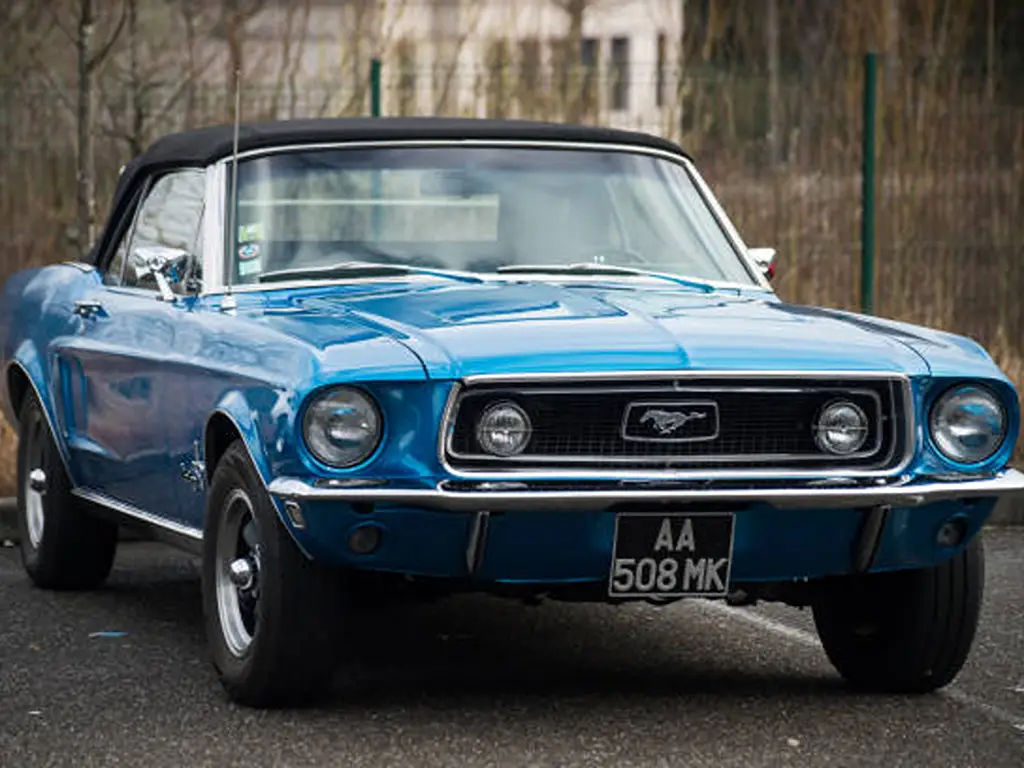
When ordering interior restoration kits, B2C buyers must understand that sharing a platform does not mean every piece of vinyl is universally interchangeable. The dashboard assembly, instrument clusters, front bucket seats, and front door panels fall strictly into the direct interchange category. However, the moment you move past the front seats, the Fastback requires highly specific, proprietary components like specialized headliners, unique rear side panels, and complex folding-seat hardware. B2B suppliers must explicitly label these components as “Fastback-specific” on their digital storefronts to prevent costly return shipping and angry customer emails. Mastering this strict separation of rear interior SKUs is the absolute fastest way to build brand trust and eliminate expensive product return nightmares in the classic car market. Educating buyers on these strict compatibility rules before checkout dramatically increases B2B conversion rates by directly alleviating fitment anxiety.
The Brutal Reality of Coupe to Fastback Conversions
The internet is full of misguided advice suggesting you can simply chop the roof off a Coupe and weld on a Fastback profile. We are going to expose the brutal, structural reality of this procedure and the immense liability risks involved for both DIYers and professional shops.
Structural Integrity and the Cutting Process
Transforming a Coupe into a Fastback is not a simple cosmetic skin swap; it is a catastrophic structural amputation that requires immense fabrication skill. Before a single cut is made, the entire vehicle must be locked into a precise jig with heavy-duty internal cross-bracing to prevent the chassis from instantly folding. The most critical, yet frequently ignored, elements of this conversion are the inner structural reinforcements, including Fastback-specific inner C-pillar bracing and heavy-duty trunk hinge supports. Failing to install these internal bones will result in severe body twist, misaligned panel gaps, and a structural weakness that permanently compromises the chassis. For B2B collision and restoration shops, rejecting poorly braced Coupe donor cars before taking on a conversion project is critical to avoiding liability for shattered glass and dangerous handling. Only elite fabrication shops equipped with laser-measuring tools should ever attempt this high-stakes structural metamorphosis.
Identifying a Botched Conversion Project
With converted Fastbacks flooding the market, B2C buyers must arm themselves with a strict inspection checklist to avoid purchasing dangerous, compromised vehicles. The ultimate proof of authenticity lies in the factory VIN: “07” dictates a Coupe chassis, while “09” guarantees a genuine factory Fastback. Beyond the paperwork, run a magnet along the C-pillars to check for excessively thick body filler hiding sloppy weld seams. You must also inspect the inner trunk drop-offs and wheelhouses for messy, non-factory weld splatters that indicate amateur fabrication. Ultimately, uneven panel gaps between the doors and quarter panels are a glaring red flag of a warped conversion chassis that was not properly braced before cutting. Identifying these lethal structural flaws will prevent buyers from accidentally paying a premium price for a worthless, mechanically unstable clone, solving the ultimate B2C investment anxiety.
Dissecting the Conversion Bill of Materials (BOM) & Costs
It is time to abandon romanticized forum posts and look at the cold, hard mathematics of a Conversion project. B2C builders and B2B suppliers must approach this massive undertaking with a strict Bill of Materials (BOM) mentality to avoid financial disaster and stalled projects.
The Complete Coupe-to-Fastback Conversion BOM Checklist
Successfully pulling off a conversion requires procuring a massive, highly specific parts list that extends far beyond a simple replacement roof skin. Builders must carefully source a full roof panel, sweeping Fastback quarter panels, specific rear body tail-light panels, a specialized trunk lid, new rear glass, and all internal structural reinforcements. When sourcing these massive pieces of sheet metal, it is absolutely critical to purchase high-quality, EDP-coated parts stamped to original metal thickness specifications. Buying cheap, thin-gauge sheet metal will inevitably result in warped panels, wavy reflections, and disastrous fitment tolerances that ruin the build. B2B distributors who bundle these exact, high-tolerance components into a complete master kit can command premium margins while saving the builder massive logistical headaches. Utilizing a strict Bill of Materials guarantees that DIYers will not stall their projects halfway through by waiting on a single backordered structural brace, solving a major logistical pain point.
| Component Name | Necessity Level | Fitment Difficulty / Tolerance Warning |
|---|---|---|
| Full Roof Panel & Skin | Mandatory | High Risk: Must purchase EDP-coated, OE-thickness steel to avoid wavy reflections and warping. |
| Fastback Quarter Panels | Mandatory | High Risk: Requires perfect alignment with door frames to maintain factory panel gaps. |
| Inner Structural Bracing | CRITICAL | Extreme Risk: Missing C-pillar braces will cause the car to twist and shatter glass. |
| Fastback Trunk Lid & Hinges | Mandatory | Medium Risk: Fastback hinges are mounted differently than Coupe hinges; brackets required. |
Labor Hours and Hidden Fabrication Costs
The most dangerous assumption in a conversion project is believing that the retail cost of the sheet metal represents the total financial burden of the build. A complete sheet metal conversion kit of high-quality EDP-coated steel will generally cost the builder approximately $8,000 in raw parts. However, precision cutting, TIG welding, panel alignment, and meticulous bodywork will easily consume between 150 to 250 highly skilled fabrication hours. At standard professional restoration shop rates, that equates to an agonizing $20,000+ in labor alone, entirely excluding the donor Coupe, custom paint, and new Fastback interior trim. When you do the math, the total expenditure often equals or completely surpasses the cost of buying a factory-original Fastback outright. Therefore, undertaking a massive structural conversion is rarely a sound financial decision unless the B2C buyer possesses the advanced welding skills to complete the labor entirely in-house.
Track Myths Debunked: Weight, Aero, and Handling
The enduring myth that the Fastback inherently dominates the Coupe in performance has misguided countless B2C enthusiasts and influenced poor B2B shop recommendations. We must dissect the raw physics and aerodynamic truths to see which chassis truly reigns supreme on the tarmac.
The Weight Advantage of the Coupe
To conduct a purely objective apples-to-apples comparison, we must evaluate two 1966 models sharing the exact same 289 V8 engine and 4-speed manual transmission. In this identical configuration, the Coupe is surprisingly lighter than the Fastback by an impressive 50 to 80 pounds. This extra mass in the Fastback is concentrated in its massive rear glass pane and heavy fold-down seat mechanics, which effectively raises the car’s center of gravity. For a dedicated track-day enthusiast, the Coupe’s lighter weight translates directly into sharper cornering turn-in response, shorter braking distances, and superior acceleration. Replicating this 80-pound weight advantage on a Fastback would require thousands of dollars in aftermarket carbon fiber panels and stripped interiors. For B2B performance shops, steering track-day clients toward lighter Coupe chassis builds allows you to redirect their budget toward high-margin suspension and brake upgrades, resulting in vastly superior lap times and higher customer satisfaction.
Aerodynamic Truths and the Shelby Influence
Many purists blindly defend the Fastback’s superiority simply because Carroll Shelby famously utilized it as the chassis for his legendary GT350 race cars. However, the hard aerodynamic truth is that at typical street driving or amateur track-day speeds below 100 mph, the Fastback’s aerodynamic advantage is virtually non-existent. Shelby selected the sweeping roofline specifically to exploit high-speed slipstreams on long straights like Le Mans, where speeds exceeded 130 mph, and to satisfy Ford’s corporate marketing demands. The critical distinction is that high-speed aerodynamic stability should never be confused with low-speed mechanical grip and cornering agility. Ultimately, does a Fastback actually make you faster on a weekend autocross course? The definitive answer is no; a lighter, stiffer Coupe will consistently out-handle it in tight, technical sectors, solving the track-enthusiast’s dilemma regarding performance chassis selection.
The Valuation Chasm and Investment ROI
Why does a sloping piece of sheet metal command a price premium large enough to buy a second vehicle? We must examine the uncompromising laws of supply, demand, and historical attrition to understand ROI.
Production Numbers and Scarcity Metrics
During the first-generation Mustang’s historic run, the Coupe accounted for nearly 75% of all units built, while the Fastback barely scraped past the 10% mark. More importantly, thousands of Fastbacks were crashed on racetracks or rotted away due to aggressive driving by younger owners, drastically reducing their surviving numbers. Today, the collector market’s insatiable demand for the Fastback collides violently with this extremely low survival rate, creating a textbook example of a scarcity premium. This massive price premium is driven equally by its undeniable aesthetic appeal, its rich Shelby racing heritage, and its sheer rarity in the modern market. For B2B restoration facilities, understanding this extreme supply-demand imbalance directly justifies the premium labor rates and inflated parts costs associated with Fastback projects. Collectors are ultimately paying for the privilege of owning a highly sought-after cultural icon that is becoming exponentially harder to find intact.
Auction Trends and Condition Modifiers
According to classic car valuation data, the market heavily penalizes unauthentic builds, meaning an original Fastback with a documented Marti Report will always command a massive “originality premium.” While a high-end Restomod Fastback can pull strong numbers, a “Clone” created by welding a Fastback roof onto a Coupe chassis is severely penalized by serious collectors at auction. Buyers must also calculate the long-term ownership cost, as Fastback-specific glass, interior trim, and insurance premiums are vastly more expensive to maintain over the lifespan of the vehicle. When evaluating the critical cost-to-value ratio, pumping $60,000 into restoring a dilapidated Fastback might eventually yield a profit, but doing the same to a Coupe will almost certainly result in negative equity. Therefore, a perfectly restored, rust-free Coupe is a far safer entry-level financial decision than buying a completely rusted-out Fastback that requires a six-figure restoration, effectively mitigating massive financial risk for first-time buyers.
Final Verdict: Aligning Your Dream with Your Budget
So, should you buy a Mustang Coupe or a Fastback? Use this strictly logical “If → Then” matrix to make your final decision based on your specific budget, performance goals, and long-term ownership plans.
For Enthusiasts & Buyers (B2C Decisions):
- If you are an Investor seeking ultimate resale value: Then you must purchase an original, factory-verified Fastback. Clones and heavy conversions will never yield top-tier auction returns because originality always commands the highest market premium.
- If you are on a strict budget but crave track performance: Then buy a Coupe. Spend the $20,000+ you saved on the chassis markup directly on modern brakes, coil-over suspension, and engine tuning to outrun heavier Fastbacks on the track.
- If you need a reliable Daily Driver: Then the Coupe wins outright. Its superior rearward visibility, significantly cooler cabin, and deep, usable trunk space make it far more practical and comfortable for daily commuting.
- If you are building an extreme Custom Restomod: Then a Coupe-to-Fastback conversion is completely acceptable. Since you are cutting the car apart anyway to install modern drivetrains, starting with a cheaper donor Coupe prevents you from destroying a valuable piece of history.
- If you already own a Coupe and are evaluating the Cost-to-Value Ratio: Then calculate your total BOM first. Once you factor in the $8,000 in sheet metal, $20,000+ in labor, and higher insurance premiums, you will realize selling the Coupe and buying a genuine Fastback is actually cheaper and financially safer.
For Suppliers & Restoration Shops (B2B Strategies):
- Inventory Optimization: Focus your heaviest capital investments on B-pillar-forward components like engines, front suspension, and hoods. These SKUs cover 100% of both Coupe and Fastback owners, ensuring maximum inventory turnover rates.
- Kit Bundling for Conversions: Never sell a Fastback roof skin individually. Bundle it with the mandatory inner C-pillar bracing and trunk hinge supports to prevent amateur shops from failing the install and unfairly blaming your sheet metal.
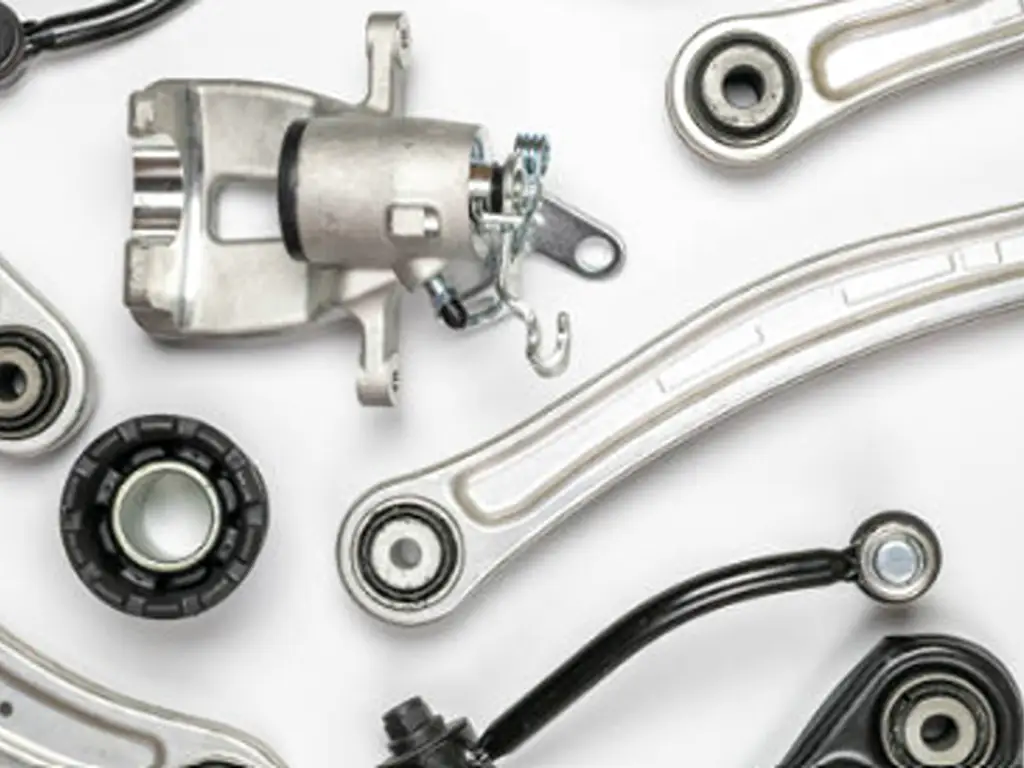
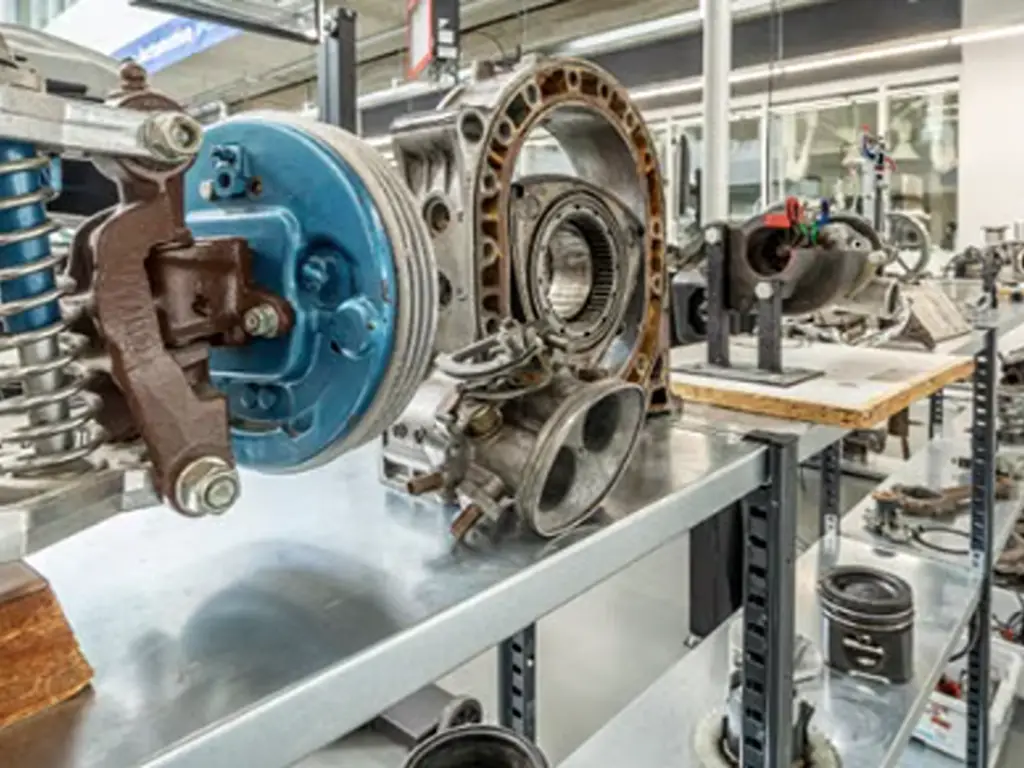
- Supply Chain Moat: Consider how to address hard-to-find parts for discontinued vehicles through OE-spec manufacturing and reverse engineering, using original or used samples as references for reproduction.
- Strict Quality Control: Prioritize EDP-coated sheet metal with factory-correct thickness and accurate stamping to minimize fitment issues, panel distortion, and costly rework during restoration.
- Educational Marketing: Use detailed BOM checklists in your sales pitches to explicitly show clients the hidden internal structures required for a Fastback conversion. This transparent approach legally protects your shop while justifying premium labor estimates.
Ready to secure a reliable supply chain for premium classic car restoration parts and OE-spec conversions?
Partner with Sunway Autoparts Today



 English
  Spanish
  French
  German