
Engine Layout — The Defining Difference
Before horsepower figures or lap times, there is one fact that explains nearly everything about how these two cars drive: where the engine sits.
The Cayman carries its engine in the middle — behind the seats, between the axles. The 911 carries its engine behind the rear axle. That single engineering choice cascades into every aspect of character, from cornering behavior to highway composure. Understanding it is the difference between choosing the Porsche that flatters you and the Porsche that challenges you.
Mid-Engine Cayman — Surgical Precision
A mid-engine layout concentrates mass near the car’s center of gravity. The result is a low polar moment of inertia — the car resists rotation less, so it changes direction with less effort. Think of swinging a dumbbell gripped at its center versus one gripped at one end: the center-gripped one flicks around effortlessly.
In the Cayman, that translates to a turn-in so sharp it feels telepathic. The nose dives into a corner the instant you move the wheel, the chassis rotates cleanly around your spine, and the rear follows without drama. With a weight distribution of roughly 45:55 front-to-rear and a curb weight of just 1,405 kg in GTS 4.0 trim, the Cayman rewards precision without punishing mistakes. Get your line slightly wrong, lift the throttle mid-corner, and the car communicates — it doesn’t bite.
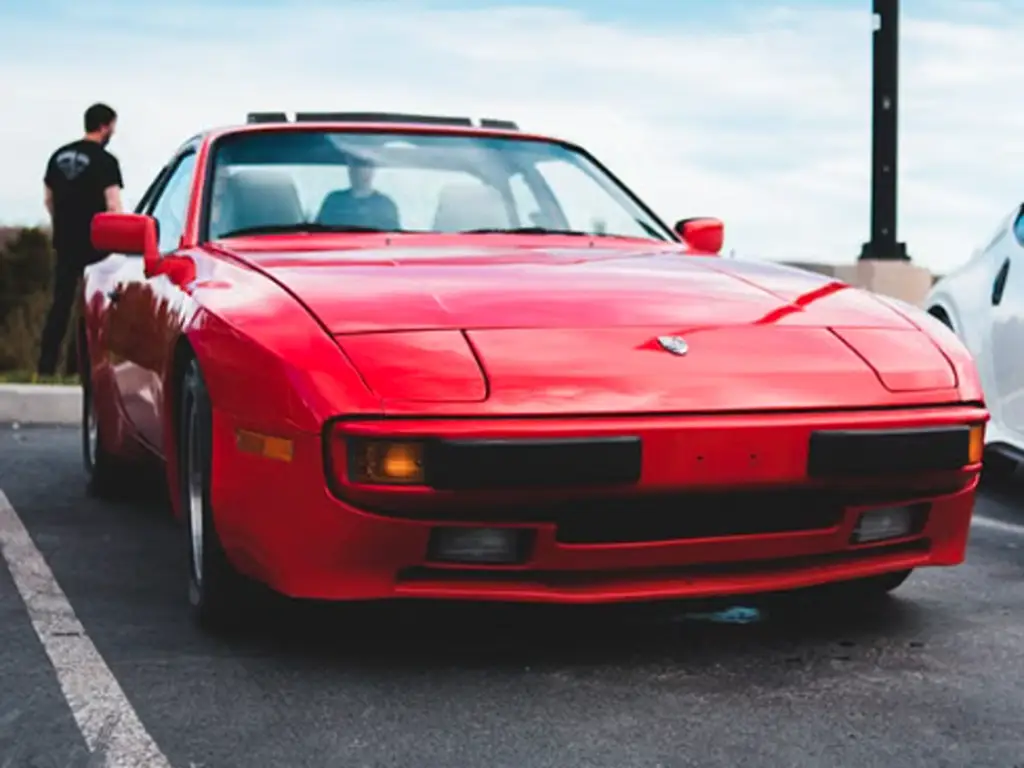
Rear-Engine 911 — Traction and Tradition
The 911’s rear-engine layout is, on paper, the wrong way to build a sports car. Hanging 61% of the car’s mass behind the rear axle — a 39:61 weight split — should make it want to swing its tail like a pendulum. But Porsche has spent six decades engineering around physics, and the result is unlike anything else on the road.
What the 911 gives up in mid-corner neutrality, it recovers — and then some — on corner exit. All that weight over the driven wheels means the rear squats under acceleration and the tires dig in. You can get on the throttle earlier and harder than in any mid-engine car. The 992-generation 911 further civilizes the layout with rear-axle steering that shrinks the turning circle by half a meter and PASM adaptive dampers that adjust in 10 milliseconds. The 911 asks more of its driver on the way into a corner, then rewards that trust with a slingshot exit no Cayman can match.
The Cayman turns in like a surgical instrument. The 911 exits like a catapult. Neither is wrong — but they demand different things from the person behind the wheel.
Performance — Numbers vs. Feel
Spec sheets tell a story, but not the whole story. The Cayman and 911 overlap in acceleration figures more than Porsche’s marketing would like you to notice — and yet they deliver speed in fundamentally different ways.
The Spec Sheet — Side by Side
| Model | Engine | Power | Torque | 0–60 mph | Curb Weight | Starting MSRP |
|---|---|---|---|---|---|---|
| 718 Cayman (base) | 2.0L Turbo H4 | 300 hp | 280 lb-ft | 4.7s (PDK) | ~1,350 kg | $72,000 |
| 718 Cayman GTS 4.0 | 4.0L NA H6 | 394 hp | 309 lb-ft | 3.9s (PDK) | 1,405 kg | $90,500 |
| 718 Cayman GT4 RS | 4.0L NA H6 | 493 hp | 331 lb-ft | 3.2s (PDK) | ~1,415 kg | $170,100 |
| 911 Carrera (992) | 3.0L Twin-Turbo H6 | 388 hp | 331 lb-ft | 3.9s (PDK) | 1,515 kg | $120,100 |
| 911 Carrera S | 3.0L Twin-Turbo H6 | 473 hp | 390 lb-ft | 3.7s (PDK) | 1,515 kg | $135,500 |
| 911 GT3 | 4.0L NA H6 | 503 hp | 347 lb-ft | 3.4s (PDK) | ~1,425 kg | $185,000 |
Look closely at the GTS 4.0 row and the Carrera row. The Cayman produces more horsepower (394 vs. 388), hits 60 mph in the same 3.9 seconds, and weighs 110 kg less — yet costs roughly $30,000 less. That gap is the central tension of every Cayman-vs-911 debate.
On track, the 911 claws back a narrow advantage. At Road Atlanta, the 911 Carrera laps about 1.3 seconds quicker than the Cayman GTS 4.0; at VIR, the gap is roughly 2.7 seconds. The 911’s rear traction pays off over a full lap, but the margin is smaller than the price difference suggests (Car and Driver, Lightning Lap data).
The Feels — Turbo Torque vs. Naturally Aspirated Soul
Numbers equal, experience diverges. The 911 Carrera’s 3.0-liter twin-turbo flat-six delivers its full 331 lb-ft of torque from just 2,300 rpm and holds it flat to 5,000 rpm. In daily driving, that means a brush of throttle at any speed shoves you forward — no downshift, no windup, just go. It is the kind of engine that shrinks the effort-to-speed ratio to nearly nothing.
The Cayman GTS 4.0’s naturally aspirated 4.0-liter flat-six takes the opposite approach. Peak torque of 309 lb-ft doesn’t arrive until 5,000 rpm, and the engine only truly wakes up above 5,500 rpm. From there to its 7,800-rpm redline, it builds a mechanical howl that the turbo 911 simply cannot replicate. The Cayman asks you to work for its best — downshift, wait, commit — and then pays you back with a sound and sensation that makes every extra rev feel earned.
One engine flatters the driver. The other demands the driver rise to its occasion. Which experience you value more is less about performance and more about personality.
Price & Value — The $40,000 Question
Sticker prices are only the beginning. The real-world cost gap between a Cayman and a 911 is both larger and more nuanced than MSRP comparisons suggest.
A well-optioned 718 Cayman GTS 4.0 — with the essentials like Bose audio, Sport Chrono, and upgraded seats — lands between $95,000 and $105,000. A modestly specced 911 Carrera, after Porsche’s famously à la carte options menu, typically runs $135,000 to $150,000. That is a real-world difference of $35,000 to $45,000 — roughly the price of a new Toyota GR86.
But the comparison gets more interesting in the used market. A three-year-old 991.2 911 Carrera (2017–2019) trades between $65,000 and $85,000 — overlapping directly with a used 718 Cayman GTS 4.0 at $67,000 to $85,000. At equal money, the question shifts from “which is the better value?” to “new Cayman or pre-owned 911?”
Residuals favor the 911. After three years, a Cayman retains roughly 62% of its original value; a 911, about 65%. The 911’s higher starting price means its absolute depreciation is larger — but its badge cachet means finding a buyer is rarely difficult. GT-badged variants on both sides (GT4, GT4 RS, GT3) can appreciate over time, making them unusual in a market where cars are almost never investments.
If you have $90,000, you can drive away in a brand-new Cayman GTS 4.0 with a factory warranty — or a three-year-old 911 Carrera that someone else already took the depreciation hit on. That is not a choice between a good car and a bad car. It is a choice between two different kinds of good.
Daily Livability — Two Seats or 2+2?
Neither of these cars is an SUV, but both are more practical than their silhouettes suggest. The question is which flavor of compromise you prefer.
The Cayman, surprisingly, is the cargo champion. With a 150-liter front trunk and a 275-liter rear trunk, it offers 425 liters of total storage — enough for a weekend’s worth of luggage for two, or a respectable grocery run. But it is strictly a two-seater, and the cabin sits low: you are 30 millimeters closer to the pavement than in a 911, which sharpens the sense of occasion but also amplifies road texture on long drives. GT4 RS owners report that three hours behind the wheel is thrilling; eight hours is a physical negotiation.
The 911 counters with a 2+2 layout. The rear seats will not accommodate adults for more than a cross-town trip, but they swallow children, weekend bags, or a set of track wheels with the seatbacks folded. The front trunk holds 132 liters — less than the Cayman’s, but the rear shelf compensates. More meaningfully, the 911 is quieter at speed (roughly 72 dB at 70 mph), rides more compliantly on its adaptive dampers, and feels like a grand tourer when you are not exploiting its capabilities. At 1,852 mm wide versus the Cayman’s 1,801 mm, the 911 demands more spatial attention in tight city streets.
The real trade-off: the Cayman carries more stuff but fewer people; the 911 carries more people but demands more personal real estate. Neither makes a bad daily driver, but the 911 is the one you would choose for a 500-mile day without hesitation.
Ownership Costs — What the Brochure Won’t Tell You
Most comparison articles stop at MSRP. But the cost of owning a Porsche extends well beyond the purchase price — and this is where the Cayman quietly separates itself from the 911.
Routine Maintenance — The Real Numbers
Porsche maintenance is expensive, but it is predictably expensive. The key variable is whether you stay within the dealer network or find a reputable independent specialist.
| Service Item | Porsche Dealer | Independent Specialist |
|---|---|---|
| Oil change (annual) | $500–$700 | $250–$350 |
| Minor service (2-year) | $900–$1,200 | $500–$700 |
| Major service (4-year) | $1,500–$2,000 | $900–$1,200 |
| Tires (set of 4, N-rated) | $1,600–$2,000 | $1,400–$1,800 (15K–20K mi) |
| Front brake pads + rotors | $2,000–$2,500 | $1,200–$1,500 |
| PDK service (6 yr / 60K mi) | $1,200–$1,500 | $800–$1,100 |
| Annual insurance | $1,500–$3,000 (varies by location) | |
The Cayman generally costs less to maintain across the board: its tires are narrower (and cheaper), its brakes are smaller, and its insurance premiums run lower. Plan on $3,000–$5,000 per year for a Cayman, and $4,000–$6,500 for a 911 — assuming a mix of dealer and independent service after the warranty period (Porsche Approved Maintenance Plans).

Older Models — The Hidden Cost of a Used Porsche
The previous section established that a used 911 can cost the same as a new Cayman. But purchase price parity does not mean ownership cost parity.
The 981-generation Cayman (2013–2016) has earned a reputation as borderline bulletproof — multiple owners on enthusiast forums report zero unscheduled repairs over five-plus years and 40,000-plus miles. The 718 Cayman (2017–present) has shown only a handful of known weak points: water pumps and PADM dynamic engine mounts are the most cited issues, neither of which is catastrophic.
The 911’s story depends heavily on generation. A 997-generation car (2005–2012) demands awareness of the IMS bearing on early 2005 models ($3,000–$5,000 for preventative replacement) and bore scoring on higher-mileage examples ($8,000–$15,000 for a rebuild). The 991 generation (2012–2019) is significantly more robust, but PADM engine mount failures (roughly $1,500 per mount installed) and turbocharger concerns on higher-mileage Turbo models warrant a pre-purchase budget reserve. A $300–$500 Pre-Purchase Inspection (PPI) at a Porsche specialist is the smartest money you will spend on any used example.
The Cayman is the safer bet in the used market — fewer known failure points, simpler architecture, and a younger enthusiast community that has not yet driven maintenance horror stories into forum lore. The 911 rewards diligence: buy the right one with a clean PPI, and it will treat you well; skip that step, and the bill can arrive in five figures.
New Cayman or Used 911? — The Generational Cross-Shop
This is the question that fills forum threads and sales-floor silences: at a given budget, should you buy the newest Cayman you can afford or the most 911 your money can reach?
Three Budgets, Three Answers
$50,000 Budget. Your cross-shop is a 981 Cayman GTS (2015–2016, $45K–$55K) versus a 997.2 911 Carrera (2009–2012, $42K–$52K). The Cayman is newer, more reliable, and cheaper to maintain. The 911 offers a richer badge, hydraulic steering (the last 911 generation with it), and the iconic silhouette. At this budget, the Cayman is the rational choice unless the 911’s emotional pull is non-negotiable — in which case, budget an extra $5,000 for deferred maintenance.
$75,000 Budget. This is the market’s sweet spot. A used 718 Cayman GTS 4.0 (2021–2023, $67K–$85K) squares off against a 991.1 911 Carrera S (2013–2016, $58K–$72K). The Cayman GTS 4.0 gives you one of the greatest naturally aspirated engines Porsche has ever built, wrapped in a near-new car with remaining warranty. The 991.1 Carrera S counters with more power (400 hp), more prestige, and genuine grand-touring capability. This decision is less about the cars than about you: do you want a scalpel or a Swiss Army knife?
$100,000 Budget. New 718 Cayman GTS 4.0 ($95K–$105K, factory-fresh) or used 991.2/992 911 Carrera ($75K–$90K for a clean 991.2; $105K+ for an early 992). At this level, the Cayman is the last of its kind — Porsche has confirmed the next-generation 718 will be fully electric. A new, gas-powered, naturally aspirated mid-engine Porsche with a manual gearbox is a future classic being sold at MSRP today. The alternative is a three-to-five-year-old 911 that has already absorbed its steepest depreciation and will hold value stubbornly well. This is no longer a “which is better” question. It is a values question: preservation of driving purity versus ownership of an icon.
$50K Budget
981 Cayman GTS (2015–16) or 997.2 911 Carrera (2009–12) — Cayman wins on reliability; 911 wins on character
$75K Budget
718 Cayman GTS 4.0 (2021–23) or 991.1 911 Carrera S (2013–16) — The market’s sweet spot
$100K Budget
New 718 Cayman GTS 4.0 or used 991.2/992 911 — A values choice, not a performance choice
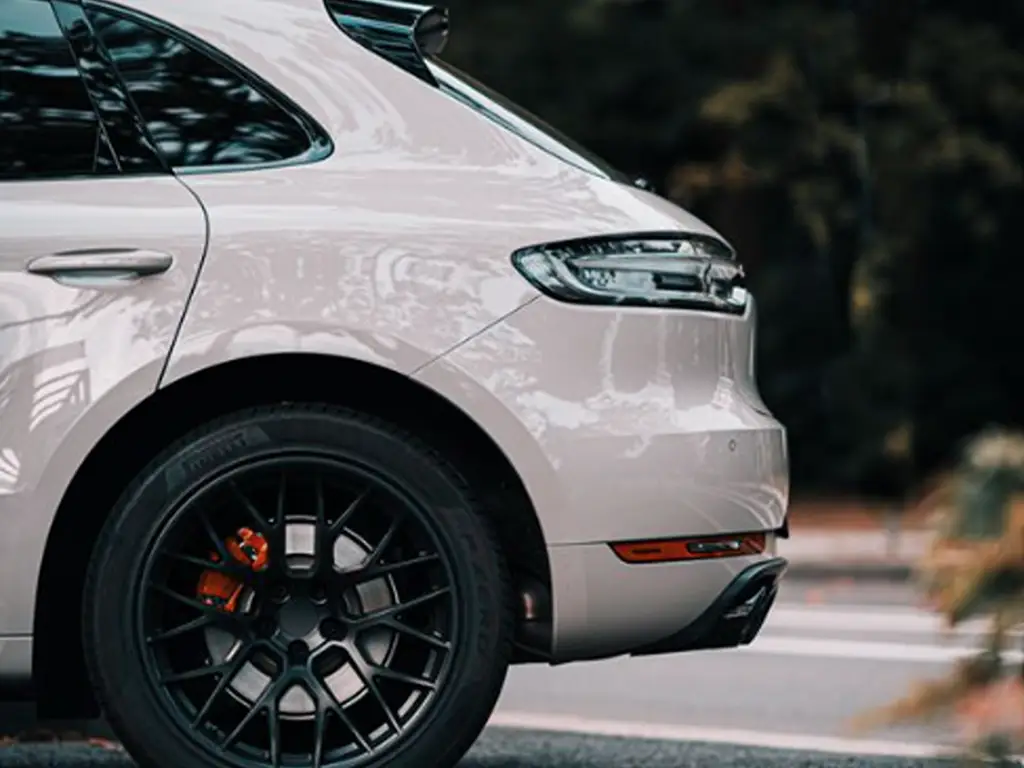
The Parts Factor — Keeping Your Porsche on the Road
There is a question almost no comparison article asks, but every long-term owner eventually faces: will I still be able to find parts for this car in ten years?
Porsche itself has invested significantly here. The Porsche Classic division now supplies over 60,000 individual parts for 911 models dating back to 1963, and its catalog for newer generations continues to expand. But factory support has limits — certain interior trim pieces, specific electronic control modules, and low-volume optional equipment parts for 15-to-20-year-old cars can enter extended backorder or discontinuation.
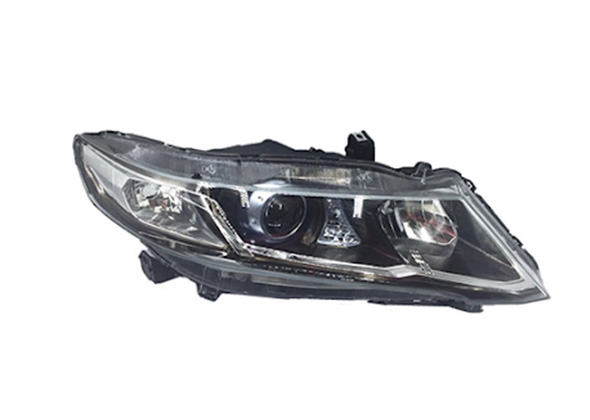
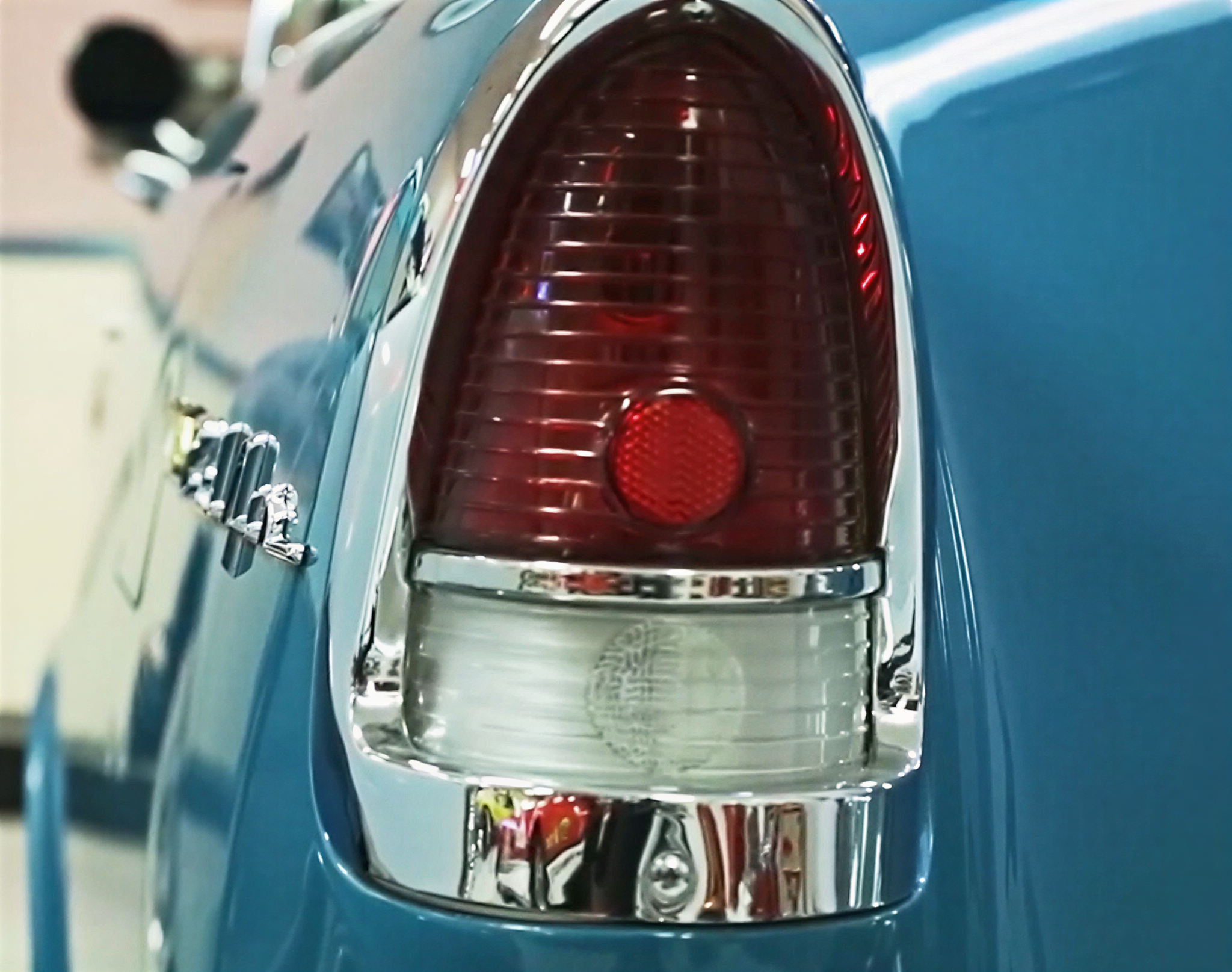
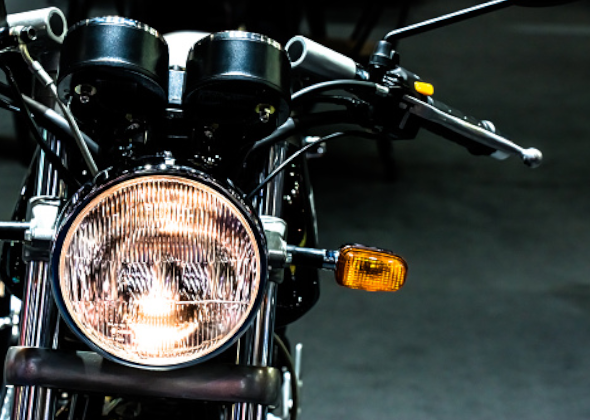
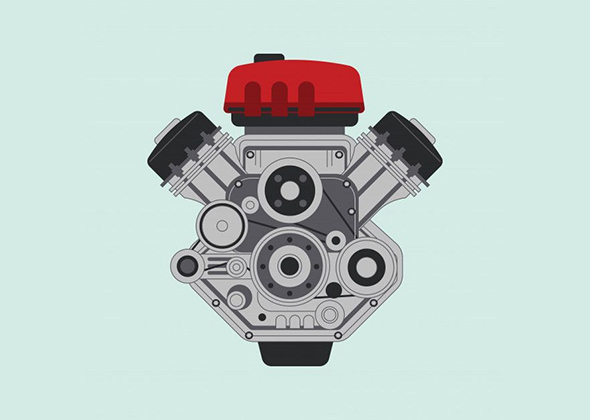
This is where the independent aftermarket steps in. For 986, 996, and 997-generation Porsches — and increasingly for 981 and 991 models — a mature ecosystem of specialty suppliers now produces OE-specification replacement components. The categories with the broadest aftermarket coverage include engine peripherals (starter motors, alternators, ignition coils, dynastarters), electrical systems (switches, regulators, wiper motors), lighting (headlights, tail lights, turn indicators), and braking components (pads, rotors, shoes). For the average owner of a ten-year-old Cayman or 911, the question has shifted from “can I find this part?” to “what is the lead time and cost?”
The Cayman enjoys a structural advantage here: it shares a significant portion of its engine peripherals, suspension components, and electrical architecture with the 911 of the same era. A 981 Cayman and a 991 911 use fundamentally similar accessory drive components, sensors, and brake hardware. That parts commonality — Porsche’s deliberate platform strategy — means the independent aftermarket’s investment in 911 parts indirectly benefits Cayman owners, and vice versa.
The Verdict — Which Porsche Is Yours?
Here is the uncomfortable truth Porsche’s marketing team will never say out loud: the Cayman is the better sports car. It is lighter, better balanced, and more engaging at 40 mph — the speed you actually drive most of the time. The 911 counters with sixty years of heritage, a silhouette that needs no introduction, and a breadth of ability no two-seat sports car can match. Neither car is a compromise. They are just answers to different questions.
Close your eyes. Picture yourself parking, switching off the ignition, and glancing back over your shoulder as you walk away. The shape you see in that mental image — is it a Cayman or a 911? That is your answer.
Whichever Porsche you choose, keeping it on the road for the long term means knowing where your parts will come from. For owners of older Caymans and 911s — particularly those from the 986, 996, 997, 981, and 991 generations — suppliers like Sunway Autoparts offer OE-specification aftermarket components across lighting, electrical, engine peripheral, and braking categories, including hard-to-find parts for discontinued models. You can browse their Porsche aftermarket parts catalog or request a quote for specific part numbers.
References
- Car and Driver. “Lightning Lap.” Multiple years. https://www.caranddriver.com
- Porsche AG. “Porsche Classic Genuine Parts.” https://www.porsche.com
- CarBuzz. “Porsche 718 vs 911: What’s the Real Difference?” https://carbuzz.com/porsche-718-vs-911-whats-the-real-difference/
- Sunway Autoparts. “Porsche Aftermarket Parts.” https://sunwayautoparts.com/brands/porsche/
- Sunway Autoparts. Homepage. https://sunwayautoparts.com/
- Sunway Autoparts. Contact. https://sunwayautoparts.com/contact/

 English
  Spanish
  French
  German