
Introduction
With the new generation of ride-by-wire throttles and traction control software, silent electric power-train engines, the rumble of an old engine seems like a chest-thumping heartbeat in a more touch-sensitive era. Then why are we still obsessed with the classic motorcycles that, on paper, are slower, leak oil, and need constant mechanical care? It is in the notion of the analog soul. When you are riding the classic bike, you are not a passenger in the computer-controlled vehicle; you are a participant in the mechanical symphony. It is a fever dream of people who deem modern transport sterile in its current form.
The global fascination with vintage motorcycle brands has not been a passing craze all over the world. It has grown into an upscale subculture of collectors, engineers, and a new generation of riders who cherish the mechanical signature of a brand, the unique vibration of a parallel twin, the unusual form of a teardrop tank, and the long history of a badge that went through world wars and economic downturns. By loving an old brand, one is celebrating a time when being over-engineered was a source of pride and every engine design was a story.
Here, we discuss eight mythical motorcycle manufacturers that characterized the golden age in this comprehensive manual. We are going to examine why their design will never get outdated, the cultural significance they possess, and why, to the present rider, keeping these rolling pieces of art is a labour of love that must involve passion and accuracy in production. Without further ado, let’s dive into the iron and oil that built the industry.
Decoding the 8 Greatest Vintage Motorcycle Brands
Thousands of motorcycling marques have met their end, yet few have conquered immortality. These eight brands are the highest level of engineering and aesthetic identity of the 1920s to the late 1990s, and they encompass the entire spectrum of the motorcycle market.
1. Triumph – The British Master of Cafe Racer Culture
- Unique Advantages: Known for the “Vertical Twin” architecture, providing a narrow, flickable chassis and a distinct 360-degree firing order.
- Iconic Models: Bonneville T120, Tiger T100, Trident.
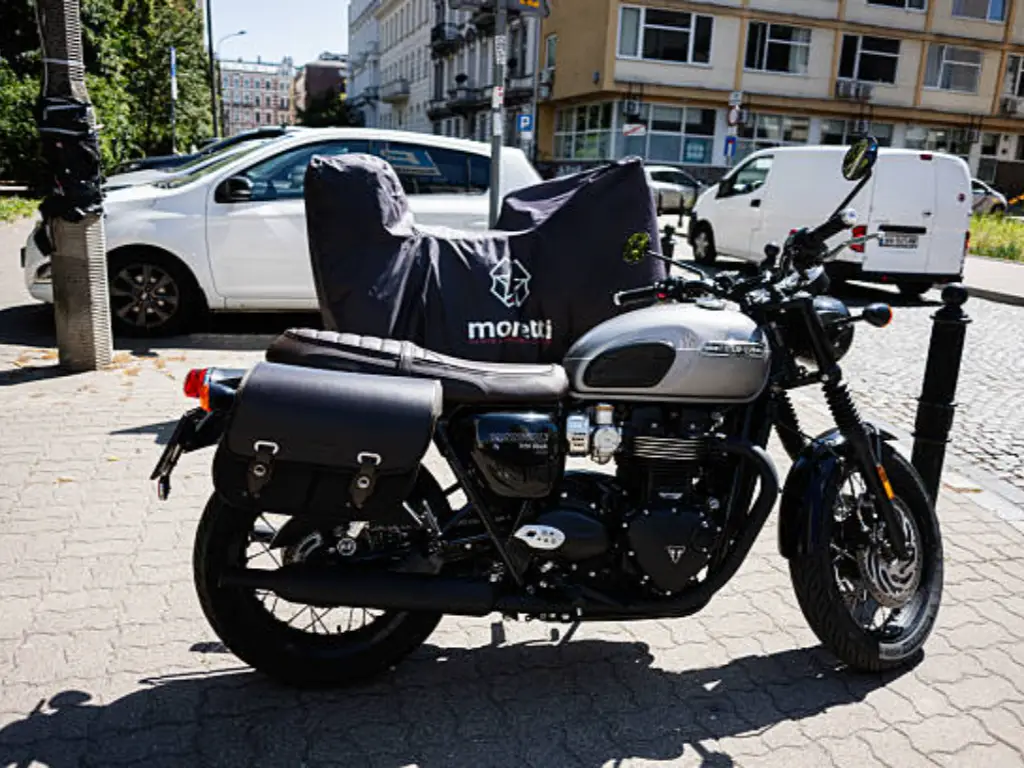
The uncontested designer of the cool era is Triumph. Headquartered in Hinckley now, but of the mythical Meriden factory, the Triumph Bonneville was the map of the Future of the British motorcycle industry. The Bonneville’s classic design was initially in reaction to the American need for more power and was named after the salt flats where Triumph had established numerous speed records.
Why do we love them? It’s the balance. A Triumph Bonneville of the 1960s was not a bike; it was the base model of the racing bikes of the so-called Ton-Up boys racing between the transport cafes. The architecture of the engine is extremely narrow-bodied, which made it the weapon of choice due to the slim profile of the engine that made it the weapon of choice of the original cafe racer models.
Although it saw a brand’s revival in the 90s, the image of the original vertical twin cannot be compared. This beauty, however, had its price; the pre-unit and unit construction engines were sensitive to touch; the replacement parts had to be of high quality and kept in place by oil and vibration. To most of the people, owning a Triumph is a way of preserving the features of the thriving UK motorcycle in the 1960s.
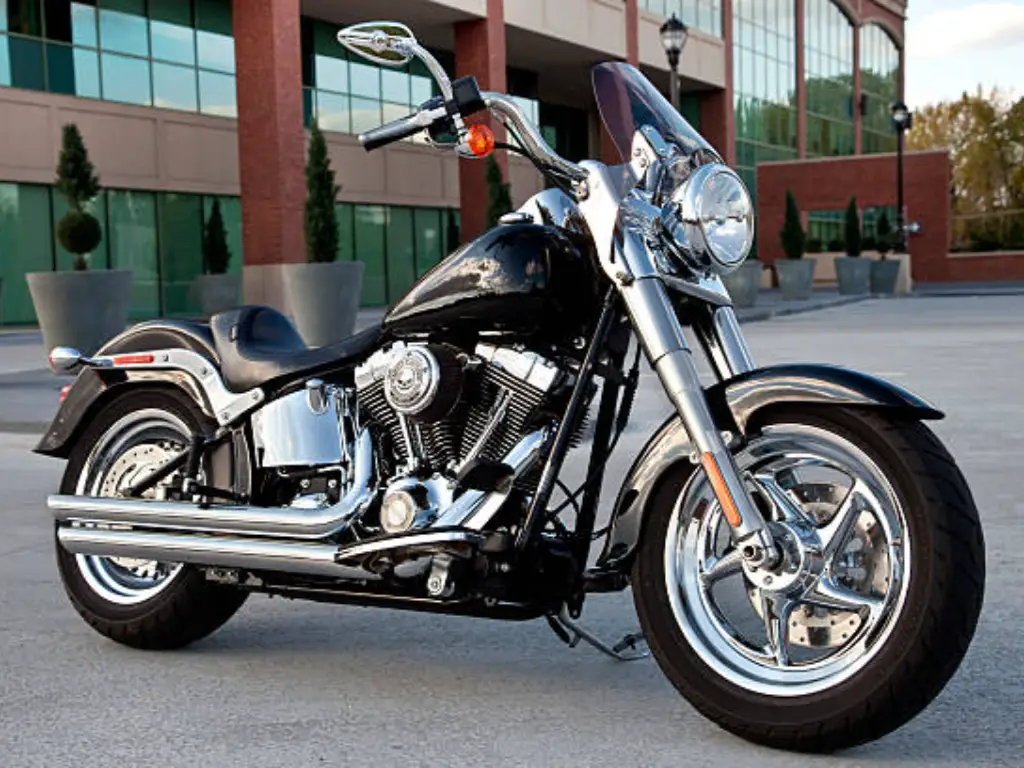
2. Harley-Davidson – The Living Legend of American Iron
- Unique Advantages: Massive low-end torque, heavy-duty steel construction, and a basic design of its powertrain that is endlessly customizable.
- Iconic Models: Electra Glide, Sportster, Knucklehead, Fat Boy.
Harley-Davidson is not so much a brand as a secular religion. Harley established a V-Twin style that was both American and more recent, with the Knucklehead (1936) through the Panhead and the Fat Boy. The 45-degree cylinder angle is not merely a business decision or an engineering judgment; it is the origin of the “potato-potato” cadence, which fans could identify in a stadium full of people.
This retro is concerning heavy metal. In the mid-20 th century, Harley-Davidson was oriented on torque and durability and conquered entire market segments of the long-distance cruiser world. These bikes were designed to run over the endless American West highways. The Evo and the Shovel eras are today treasured by collectors since they are regarded as a period when a rider could reassemble the whole top-end in his or her garage- provided he/she could locate replacement gaskets and valves of OEM-quality. The basic design of its powertrain has been quite stable, and it is a credit to its timeless popularity among every generation of riders.
3. Honda – The Japanese Engineering Revolution
- Unique Advantages: Unparalleled reliability, overhead cam technology, and the first mass-produced disc brakes on a superbike.
- Iconic Models: CB750 Four, Honda Super Cub, Gold Wing GL1000.
In 1969, Honda published the CB750, and the world turned over in one night. Vitality Before Honda, the image of old motorcycle brands was most frequently associated with character–a polite word meaning unreliability. Honda also came up with the Universal Japanese Motorcycle (UJM) with overhead cams, front disc brakes, and, most importantly, electric starters that would never fail.
The history of Honda is based on the democratization of speed. Although the CB750 was the first Superbike in the world, the Honda Super Cub was the daily transportation vehicle of the masses, having a long-running advertising motto of the nicest people in the world.
The Super Cub’s continuous production ensures that it is the most successful production motorcycle in history. To the contemporary restorer, old Hondas are valued due to their close fits. They demonstrated that a motorcycle may be a high-performance machine and a useful tool, and they succeeded in winning the entire production superbike market.
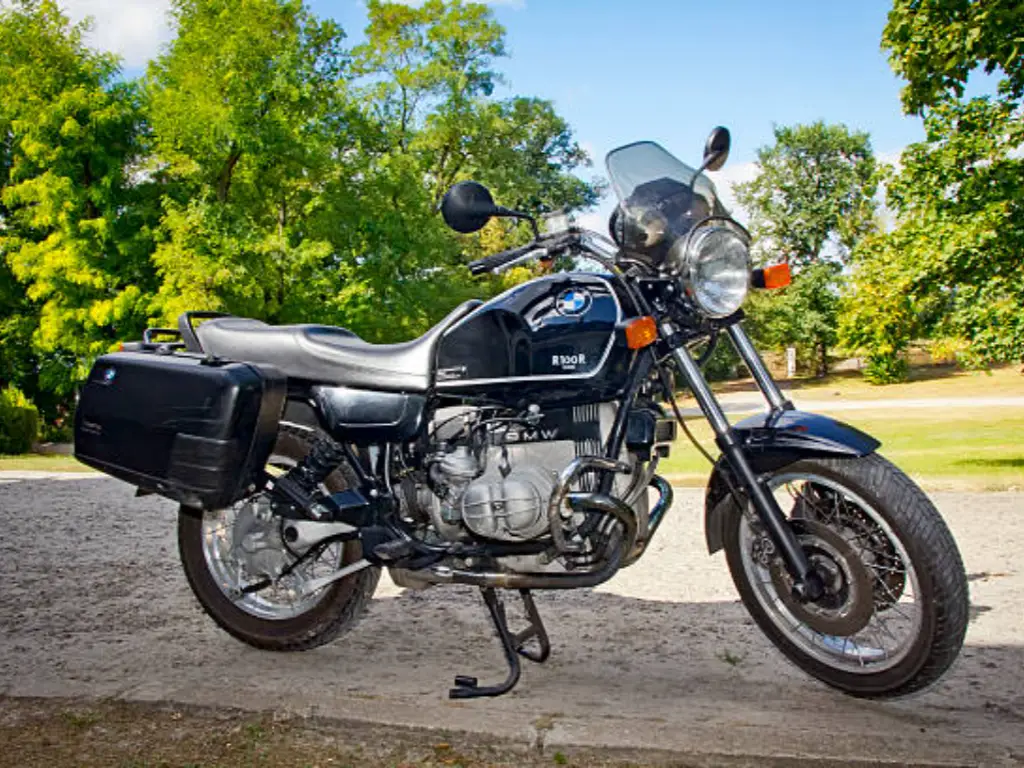
4. BMW Motorrad – German Precision and Innovation
- Unique Advantages: The boxer twin layout offers a low center of gravity, excellent primary balance, and maintenance-free shaft drive systems.
- Iconic Models: R80G/S (The first ADV), R90S, R69S.
Assuming that British bikes are soul, Japanese bikes are efficient, then BMW is about logic. The mechanical signature of BMW has been the boxer twin engine, whose cylinders have protruded into the airflow since chief designer, Max Friz, wrote the R32 in 1923.
Affection for an old-fashioned ‘beamer bike’, particularly the /5, /6, and /7 models, is based on indestructibility. They were the bikes that globetrotters used to traverse the Sahara way back when ADV riding was not even a category. The Boxer twin layout gave a low center of gravity and a special handling feature. An old BMW does not shout; it purrs with a low-key authority, implying that given good care, it might cover another 100,000 miles. There is nothing complex about the basic needs of these bikes; however, high-precision parts are required to ensure the legendary German reliability of these bikes.
5. Norton – The Racing Pedigree of the British Isles
- Unique Advantages: The “Featherbed Frame” set the standard for motorcycle racing geometry, offering stability that redefined the entire production superbike market.
- Iconic Models: Commando 850, Manx Norton, Dominator.
Whereas Triumph had the streets, Norton had the track. The Norton Commando is a legend in the history of motorcycle racing. Its so-called revolutionary Isolastic anti-vibration system addressed the major grievance of British twins, the bone-shaking buzz at high speeds.
Norton is the British bike of the thinking man. The Featherbed frame was so exquisite in the 1950s that it inspired the entire segment of the motorcycle market. The Norton Commando has become one of the hottest vintage motorcycles today due to providing a surprisingly contemporary feel during the ride and excellent top speed. The complexity of the Isolastic system, however, results in the owner needing to be on the lookout for locating rubber mounts and engine internals that are precisely engineered and of superior quality to the original 1960s standards.
6. Indian Motorcycle – The Pioneer of the American Spirit
- Unique Advantages: Distinctive skirted fenders, leaf-spring girder forks, and a luxury-tier finish that targeted the end of the spectrum for wealthy riders.
- Iconic Models: Indian Chief, Scout, Four (Inline-4).
Indian motorcycles are more prestigious than Harley-Davidson, and are older, founded in 1901. The Indian Chief and Scout, which are pre-war, are the master pieces of Art Deco and are characterized by a deep valanced fender and a body design that would appear in a museum.
The strength of Indian is its what-if history and the revival of its brand. It is a legend of the lost era, as it was a company that went down after the pioneer company collapsed in 1953. Recreation of an Indian today is a venture into the early 20th-century metallurgy. Due to the virtual non-existence of original parts, the market depends on special manufacturers who are able to make these complicated parts after all. The characteristics of the motorcycle, such as the leaf-spring forks and skirted fenders, make it a common choice among high-end collectors who appreciate extreme exclusivity.
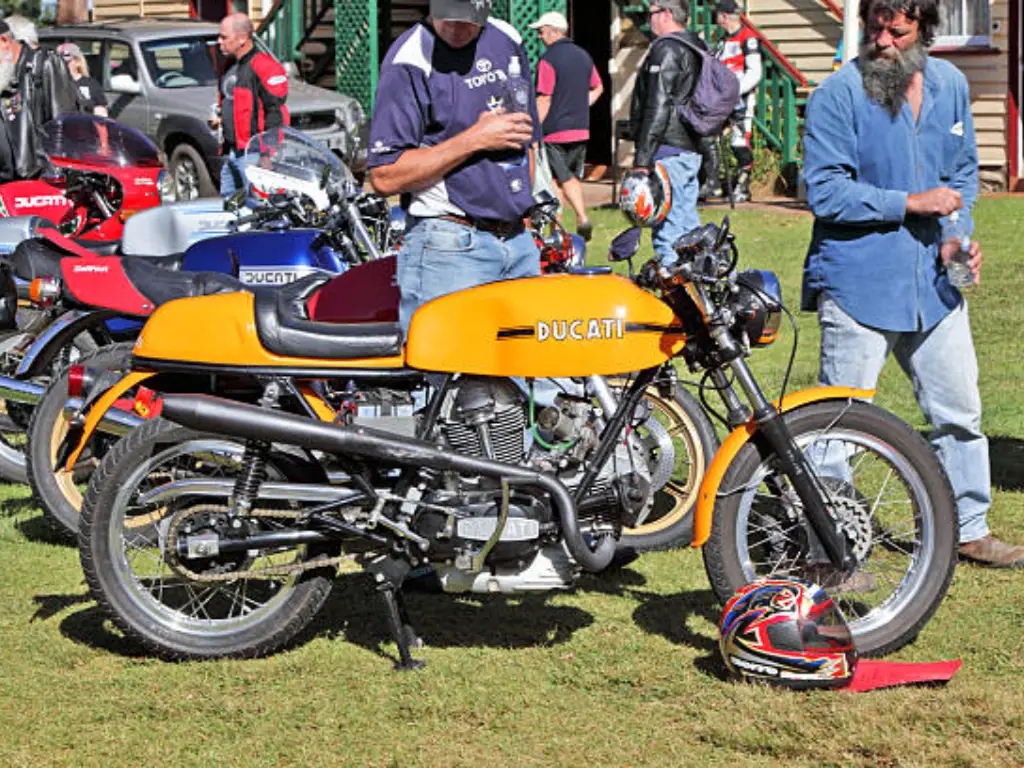
7. Ducati – Italian Art in High-Performance Motion
- Unique Advantages: The L-Twin configuration provides a narrow profile for aggressive leaning, paired with the trellis frame’s rigid body design.
- Iconic Models: 750SS, 916 (Designed by Massimo Tamburini), Mike Hailwood Replica (MHR).
Ducati is the Ferrari of the sport bikes. Vintage Ducati and especially the 750SS are hailed as the pioneers of the so-called Desmodromic valve gear, where the cams are used not only to open but also to close the valves and do away with valve float at high revolutions. This technology later on resulted in the legendary Desmosedici RR.
Riding an old Ducati is an overload of the senses. Through the banging of the dry clutch to the yell of the L-twin, it is a symbol of the best Italian wines of the mechanical world–refined and heady. Nevertheless, Ducatis with a Bevel drive are widely hard to service. They need a very high level of accuracy in shimming. To a Ducati owner, a ride is not all; it is the mechanical jewelry that is so beautiful in the pieces of machinery, or the engine, that changed the entire market segment of the performance bikes.
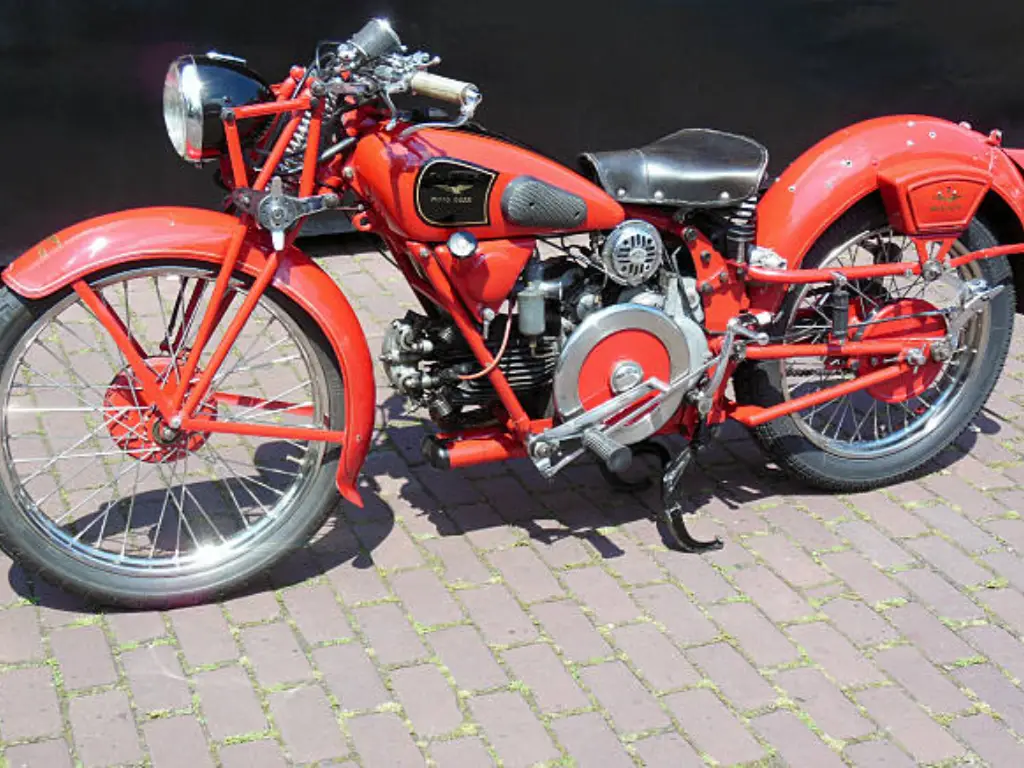
8. Moto Guzzi – Character and Soul from Mandello
- Unique Advantages: Transverse engine cooling (cylinders in the breeze) and a rugged, tractor-like durability that makes them a common choice for high-mileage riders.
- Iconic Models: Le Mans Mk1, V7 Sport, California.
To complete the list, there is Moto Guzzi, the brand that has been located in the same factory on the shores of Lake Como since 1921. It is impossible to mistake their transverse 90-degree V-twin, an unparalleled engine design. When the throttle is blipped on an old Le Mans, the motorcycle vibrates a bit to the right–a mechanical thing called torque reaction.
Moto Guzzis are adored because of their roughness. They are tractors, in the true meaning of the word, which was to serve the Italian police originally. They are solid, strong, and of lifetime construction. Moto Guzzi has one of the most loyal communities in the world that appreciates the fact that the company is not imitating Japanese or American design trends. Their long history of hand-made quality makes them popular with people wishing to possess a bike with an exceptionally distinct character.
Table 1: At-a-Glance Comparison of Iconic Vintage Brands
| Brand | Iconic Engine Type | Key Era | Defining Philosophy | Most Famous Model |
| Triumph | Parallel Twin | 1950s-1960s | Street Style & Agility | Bonneville T120 |
| Harley-Davidson | 45° V-Twin | 1930s-1980s | American Torque & Heritage | Panhead / Fat Boy |
| Honda | Inline Four | 1970s-1980s | Reliability & Mass Power | CB750 / Super Cub |
| BMW | Opposed Boxer | 1960s-1990s | German Logic & Touring | R80G/S |
| Norton | Parallel Twin | 1960s-1970s | Racing Frame Geometry | Commando 850 |
| Indian | V-Twin | 1920s-1940s | Art Deco Aesthetic | Chief |
| Ducati | L-Twin (Desmo) | 1970s-1990s | Italian Racing Art | 750SS / 900SS |
| Moto Guzzi | Transverse V2 | 1970s-Present | Rugged Character | Le Mans Mk1 |
More Than Metal: How These Brands Shaped Global Subcultures
These old motorcycle brands were sold not only by their engines, but also by their ability to survive, as they became the flags of strong subcultures. These brands would not simply sell bikes, but a generation of riders an identity.
- The Cafe Racer: The Cafe Racer subculture originated in the UK and transformed Triumph and Norton bikes into racing, stripped-down bikes. It was speed, and the appearance-drop handlebars, rear-set footpeg,s and a single seat recreated the motorcycle racing bikes of the time.
- The Bobber/Chopper: The war veterans in American society purchased excess Harley-Davidsons and Indians in post-WWII America and bobbed the fenders to slim. This translated into the outlaw culture of the 60s that was captured by such films as Easy Rider.
- The Modern Classic Movement: even such brands as Royal Enfield have been experiencing a colossal rise in the motorcycle market, with such models as the Continental GT. They offer a convenient point of entry to those who adore the classic design of the Bonneville but would prefer modern fuel injection.
- Legend of speed: We simply cannot talk about subcultures without referring to the vincent black shadow. In its day, the black shadow’s impressive performance made it the fastest stock motorcycles on the planet, a giant robot of a machine that haunted the dreams of speed freaks.
The subcultures have become incorporated into an international movement today, the Neo-Retro. The Distinguished Gentleman’s Ride or Wheels and Waves now brings tens of thousands of riders. These events demonstrate that a vintage motorcycle is a social lubricant- it initiates discussions, creates communities, and fills the generational divide. It is just as passionate when talking about the Bluetooth headset integration in a modern helmet as it is the points ignition on a 1974 Honda.
Keeping the Legend Alive: Why Quality Parts Matter for Your Restoration
Though it is undoubtedly true that the romance of vintage riding is undermined by a persistent struggle against entropy, the fact of ownership is one of continuous struggles with the same. Metal fatigues, rubber perishes, and plastic gets brittle. This leads to the most sensitive element of the vintage community: Sustainability through restoration.
The “Unobtainium” Problem: Discontinued Parts
To most collectors, the largest challenge is not the price of the bike, but the issue of Unobtainium. This is a term applied to those parts that have been scrapped decades ago. When you are restoring a 1965 Triumph or a 1978 Ducati, you cannot just go to a dealership in modern days and get a gear picker or a specialized engine casing.
New Old Stock (NOS) Original components located in food markets or swap meets are frequently considered New Old Stock (NOS); however, they can also be worn out. An oil seal that is 40 years old, or a piston that has rusted out, is a prescription to cause a devastating factory fire or a disaster in the engine. This generates enormous pressure on modern manufacturing that will be able to recreate the antique designs using the 21 st century material, eliminating what has been a thorn in the flesh of the entire production superbike market.
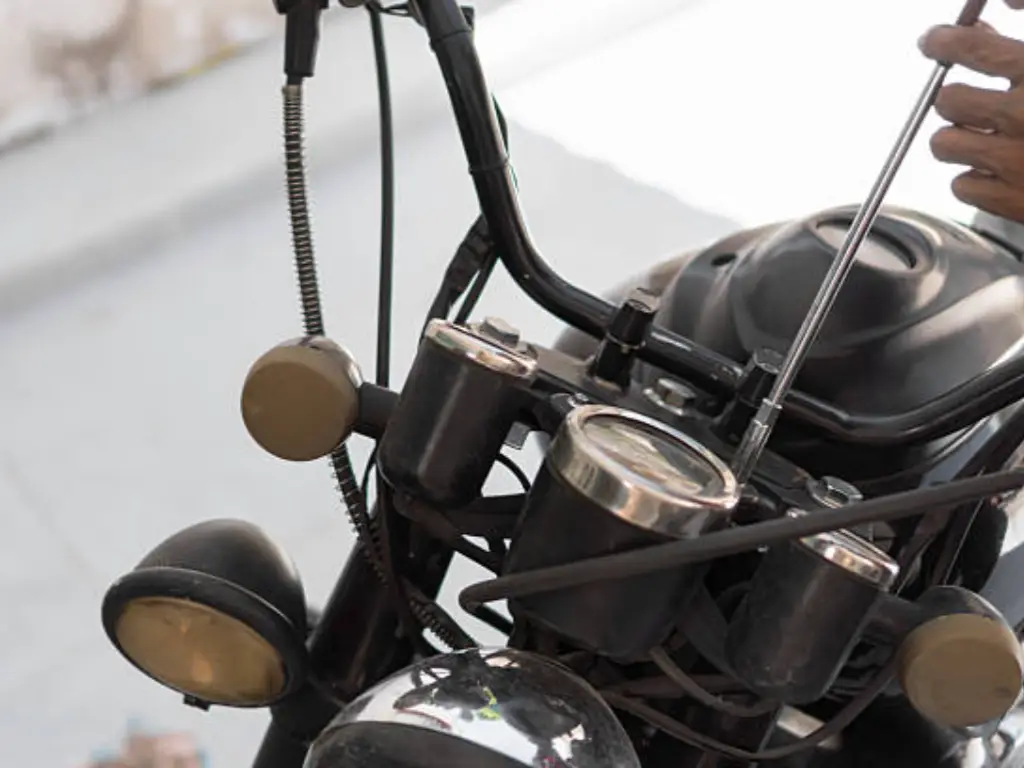
Sunway Autoparts: Your Precision Manufacturing Partner
Here is where the continuum between the past and the present technology lies. Sunway Autoparts is a company specializing in the industry of classic motorcycle parts, which has been operating since 2007. We specialize in the most important period of the mid-1920s to the late 90s, and our services give a lifeline to the owners of different Ducati, Triumph, BMW, Harley-Davidson, and Honda models. However, we are not a warehouse, and we are a global supply chain solution to the restoration market.
The reasons why amateurs and professional ateliers pick Sunway:
- Massive Network & Supply Chain Management: We operate an excellent industrial chain that has close to 200 suppliers and hundreds of product lines. This enables us to source as well as process the various materials, both forged alloys and special polymers, the entire gamut of requirements.
- OEM Standard Precision: We do not simply make parts that fit. We offer parts in the original specifications (OEM standards), which ensures the motorcycle does not lose its features.
- Modernized Manufacturing Plants: The factories are fitted with high-end CNC milling machines, injection molding machines, and Electrical Discharge Machining (EDM) machines. This guarantees that a component of a 1970s boxer twin has the very same tolerances needed by German engineering, but has the better metallurgical characteristics of contemporary alloys.
- Customization vs. Standardization: Two birds with one stone. We help our clients find hundreds of standard products by brand name that belong to antique bikes, and in the same breath, customize services to customers that are indeed unique, one-off restoration jobs that are characterized by the extreme exclusivity of the hobby.
- Reduced Lead Times: The manufacturing process that we have integrated solves the problem of classic motorcycle parts accurately and in minimal delivery cycles, where the bike spends more time on the road than in the lift. By a collector, we know that time is the precious gem that is equivalent to the black pearl of a collection.
Table 2: Common Restoration Challenges vs. Sunway Solutions
| Restoration Pain Point | Impact on the Rider | The Sunway Autoparts Advantage |
| Material Fatigue | Cracked casings, snapped levers. | High-strength modern alloys via CNC milling. |
| Discontinued Rubber | Air leaks, fuel perishing. | Custom injection molding for exact OEM fit. |
| Precision Gear Wear | Ghost shifting, transmission noise. | EDM (Electrical Discharge Machining) for perfect tooth profiles. |
| Global Sourcing Stress | Months of searching forums. | Access to 200+ managed suppliers in one place. |
| Low Quality “Fakes” | Parts that don’t line up. | Strict adherence to original 1920s-1990s blueprints. |
Conclusion
The 8 iconic motorcycles brands that we have discussed, i.e., Triumph, Harley-Davidson, Honda, BMW, Norton, Indian, Ducati, and Moto Guzzi, are more than mere old bikes to the consumer market. They are the material expressions of human resources and the aspiration to be free. They make us remember a time when the world was a little slower and the relationship between rider and machine was created by grease-stained hands and the open road. Since the first motorcycle was ever made, the strand of passion has not been disturbed to the current iteration of a modern classic.
The future of these brands, however, lies in our hands to ensure that they operate. Restoration is a preserving exercise; it is the way we see to it that the next generation shall not miss the mechanical perfection of a boxer twin engine or the aesthetic beauty of an Indian Chief. It can be a business call to some and a lifelong passion to the majority.
Since 2007, as the “specialist in classic motorcycle parts,” Sunway Autoparts is proud to be part of the silent half of thousands of restorations being made worldwide. You may be looking to find an off-the-shelf component to complete a weekend project, or require something more specific and of high standard to win a Concours d’Elegance; the means and skill are available to make these legends continue to exist. The golden age of motorcycling has not passed; it just sits in your garage. These machines will keep on inspiring for many decades to come, so long as they have the right support and the right parts.