
For decades, a persistent myth has dominated the automotive market: “American cars are 100% American-made.” Operating under this outdated assumption creates critical sourcing blind spots. For B2B distributors securing profitable inventory, mechanics trying to prevent comebacks, and restoration shops hunting for obsolete components, understanding exactly where Chevrolet components are manufactured is the ultimate key to eliminating fitment disasters and ensuring long-lasting vehicle performance.
The Global Reality of Chevy Parts Manufacturing
The globalization of Chevy parts is not a secret, nor is it a flaw; it is a meticulously engineered supply chain designed to leverage global manufacturing strengths.
Are Chevy Parts Made in America?
Yes, but not entirely. While General Motors (GM) maintains its core vehicle assembly plants in the United States, the components that make up the vehicle are globally sourced. According to recent automotive indices, even the most iconic domestic vehicles like the Chevy Silverado or Colorado rely on international manufacturing for a significant portion of their build. Believing that a genuine part must have a “Made in USA” sticker is a fundamental misunderstanding of modern automotive manufacturing.
Why Chevrolet Uses Global Suppliers
Many essential components are manufactured overseas not because domestic factories lack the technology, but because of Supply Chain Availability. Raw materials, tier-2 sub-suppliers (who manufacture micro-components), and specialized labor pools are highly concentrated in specific global regions. When a factory is surrounded by its entire supply chain ecosystem, it achieves optimized logistics and massive scale. This regional clustering ensures better consistency, faster production times, and ultimately, higher reliability for the end-user.
Where Are Specific Chevy Components Manufactured?
The origin of a specific Chevy replacement part is almost entirely dictated by its material composition and the industrial machinery required to produce it. Here is where the industry sources specific systems:
Engine & Powertrain Components
Primary Origin: USA, Canada, Mexico.
High-precision machining for Duramax engine blocks, heavy transmission housings, and heavy-duty chassis structures are predominantly localized in North America. The immense weight and dimensions of these powertrain components make trans-Pacific shipping economically unviable. Furthermore, this region possesses the legacy heavy-industrial infrastructure required for large-scale metallurgical casting.
Electrical and Electronic Components
Primary Origin: South Korea, China.
Oxygen sensors, complex wiring harnesses, Body Control Modules (BCMs), and mass airflow sensors are overwhelmingly sourced from Asian technological hubs. These regions possess the world’s most mature semiconductor and electronics supply chains, allowing for flawless circuitry integration, rigorous climate testing, and strict adherence to OE communication protocols.
Plastic, Trim & Exterior Components
Primary Origin: Mainland China & Specialized Asian Hubs.
Dashboard trim panels, plastic injection-molded interior parts, complex lighting assemblies, and electroplated chrome bumpers lean heavily on overseas manufacturing. The unparalleled regional expertise in polymer science, rapid mold tooling, and injection molding makes this area the global standard for exterior styling and UV-resistant interior durability.
Are Chevy Parts Made in China?
This is one of the most frequently asked questions by consumers and B2B buyers alike. The direct answer is yes—a vast number of high-quality Chevy components, including Genuine GM and ACDelco parts, are manufactured in China. However, the stigma surrounding “Made in China” auto parts requires serious contextual correction.
Why China Has Become a Major Manufacturing Hub
China is no longer just a low-cost labor market; it is a highly advanced industrial powerhouse. For automotive components, the country offers a mature automotive supply chain, an incredibly advanced tooling industry, and flexible production volumes. Factories in these specialized zones can rapidly develop steel molds, source automotive-grade polymers, and execute complex electroplating processes far faster than facilities in other regions.
How Quality Is Controlled (What Actually Matters)
The lifespan and safety of a brake caliper or a control arm are not determined by the country printed on the box. Quality is entirely dependent on three factors: Supplier Capability, Material Standards, and the QC Process. A top-tier factory in China adhering strictly to IATF 16949 standards and utilizing 3D coordinate measuring machines (CMM) will produce a part identical to, or better than, a loosely regulated factory elsewhere. Buyers must shift their focus from geographic origin to factory engineering capabilities.
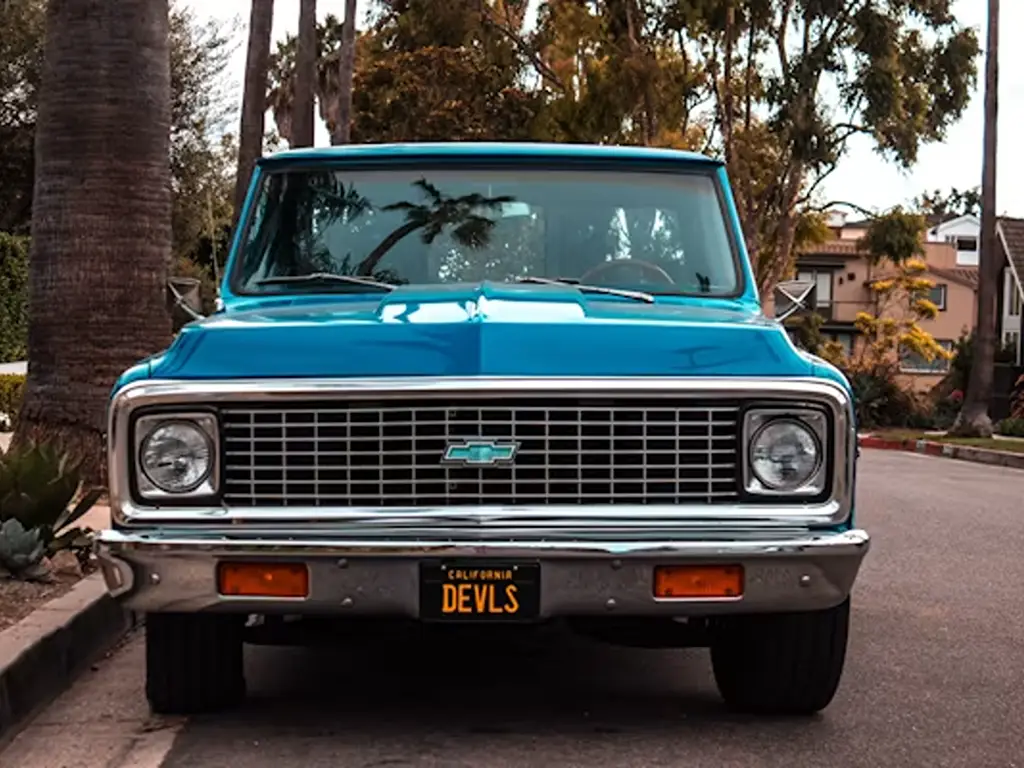
Decoding the Four Supply Chain Tiers of Chevy Parts
To navigate the global market safely and avoid costly returns, buyers must categorize parts into four distinct supply chain tiers. Knowing which tier you are purchasing from dictates the origin and the expected quality.
| Supply Chain Tier | Typical Source & Origin | Best Suited For (Practical Application) |
|---|---|---|
| GM Genuine Parts (OEM) | Direct from GM’s contracted global factory network (USA, Mexico, Asia). | New vehicles under warranty, mission-critical engine sensors, and complex electronics where communication protocols must be exact. |
| ACDelco (OES) | Global supplier network; often the exact same factory as the OEM part, but packaged for the aftermarket. | Highly reliable daily replacement, scheduled maintenance (brakes, filters, spark plugs) where dealership markups can be avoided. |
| Aftermarket Parts | Independent global manufacturers. Quality spans from premium performance upgrades to low-grade generic copies. | Budget-conscious general repairs on older commuter vehicles. Requires strict vetting of the brand’s reputation. |
| Classic Reproduction Parts | Specialized manufacturers, primarily leveraging advanced Asian tooling and injection molding hubs. | Restoration shops and distributors needing discontinued parts (e.g., C10 grilles, Bel Air trim) where OEM is no longer an option. |
Why Classic Chevy Parts Often Come From Specialized Manufacturers
The Challenge of Discontinued OEM Parts
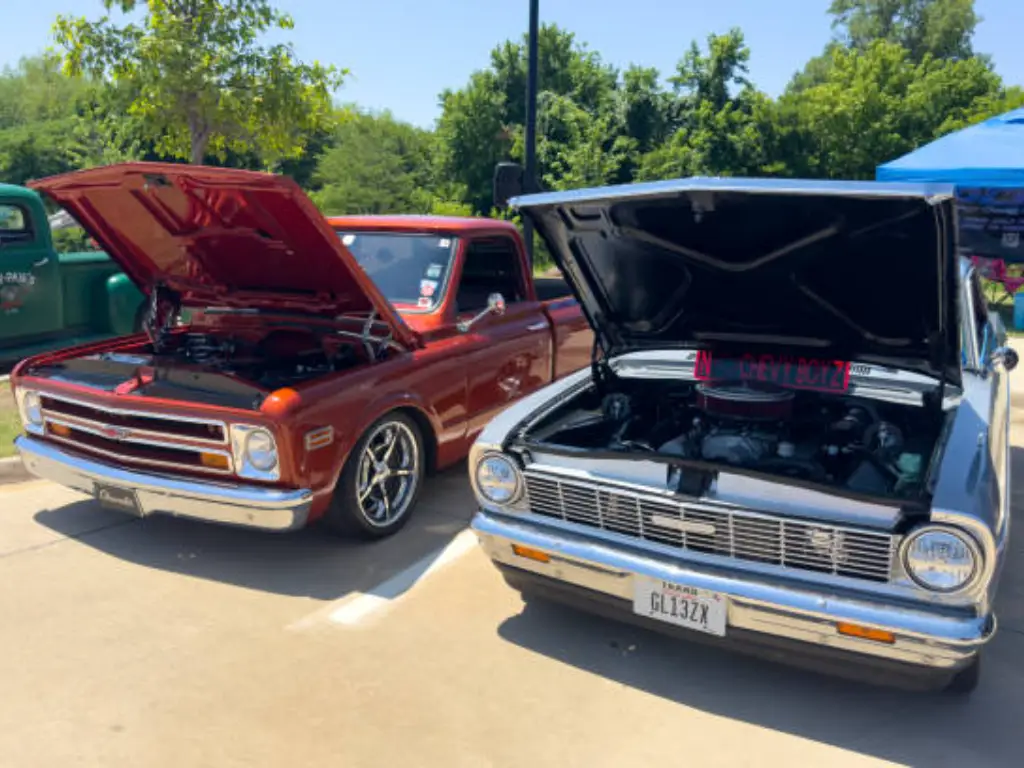
Modern Chevy parts are supported by active mass-production lines. However, distributors and restoration shops dealing in classic models—such as a 1960s Camaro, a classic Corvette, or an older Impala—face a critical supply cliff. The reality is harsh: original parts are officially discontinued, the original steel molds are destroyed or lost, and the demand volume is too low for major OEM suppliers to care.
You cannot simply “find inventory” for a 50-year-old vehicle; these parts must be completely remanufactured. Because major domestic factories require massive minimum order quantities (MOQs) to justify turning on their machines, the classic car industry relies entirely on specialized reproduction manufacturers. These facilities possess the agility to handle small-batch production while maintaining the rigorous reverse-engineering and tooling capabilities required to recreate exact OE dimensions from surviving samples.
How Can You Check Where a Chevy Part Is Made?
For buyers and mechanics trying to verify their inventory, identifying a part’s origin and ensuring its safety requires a two-step verification process.
1. Checking Labels and Supplier Documentation
The most immediate step is physical inspection. You can verify a part’s origin by examining the Product Label on the outside of the box, inspecting the Part Marking stamped directly onto the metal or plastic component, and reviewing the Manufacturer Information inserts included in the packaging. However, remember the golden rule of auto parts: The country of origin only tells you where a part was assembled, not whether it meets OEM quality standards. Do not let geographic bias blind you to a factory’s actual engineering foundation.
The Mechanic’s Secret: VIN and RPO Codes
To trace the origin of the components your vehicle was originally built with, rely on its integrated mechanical DNA. Look for the Service Parts Identification (SPID) sticker in the glovebox. These Regular Production Option (RPO) codes detail the exact suspension, gear ratio, and trim packages installed at the factory. Knowing your exact RPO code ensures you buy the right part the first time, regardless of where the aftermarket replacement was manufactured.
2. Evaluating OE Specifications and Production Capability
To truly verify quality, you must look past the label and audit the supplier’s engineering data. Does the supplier provide documentation proving the part meets original OE specifications? Are they transparent about their testing standards (e.g., salt spray tests for chrome, burst testing for hoses)? A high-quality part will always be backed by robust, verifiable production capabilities, not just a flashy box.
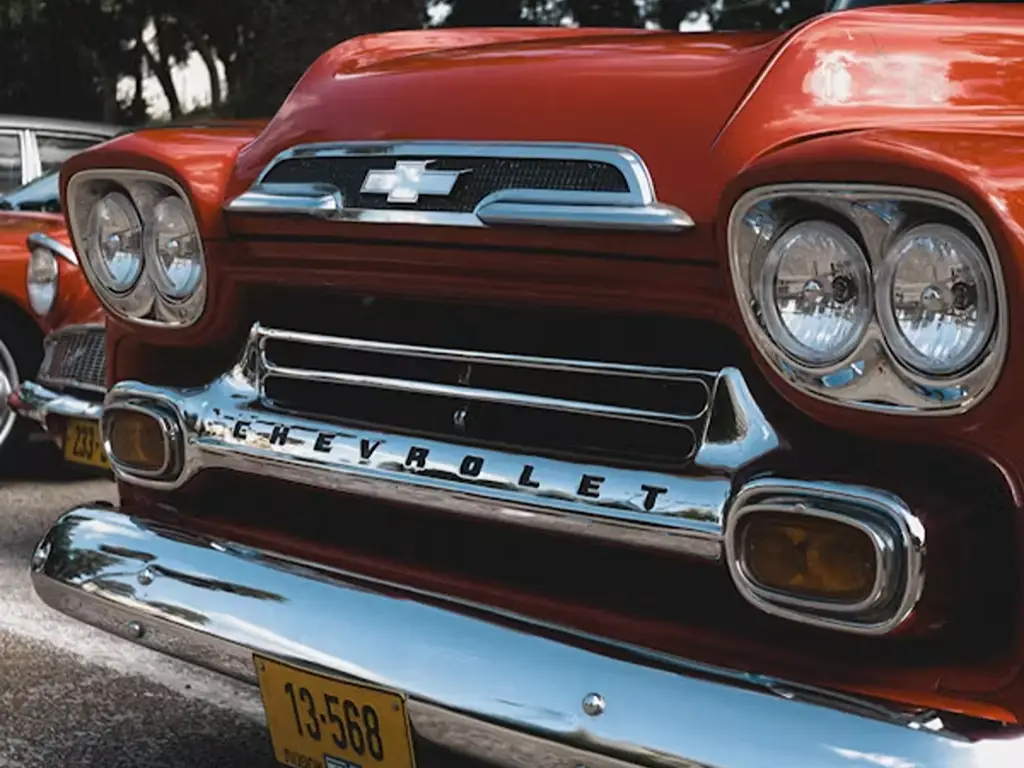
What Should Chevy Owners Know When Buying Replacement Parts?
While distributors focus on supply chain audits, individual Chevy owners and DIY mechanics need practical guidelines to ensure they purchase safe, reliable replacement components for their daily drivers or project cars.
Manufacturing Location Does Not Always Mean Quality
A common misconception among car owners is that “Made in USA” automatically equals superior quality, while “Made in China” or “Made in Mexico” implies a lower-tier product. In the modern automotive industry, this is simply not true. What dictates a part’s reliability is not the geographical borders, but the OEM standards, material quality, manufacturing processes, and rigorous quality control enforced by the factory.
A properly engineered aftermarket part from a qualified overseas manufacturer utilizing exact OE specs will significantly outperform a low-quality, poorly engineered part manufactured domestically.
Choose Parts Based on Your Vehicle’s Needs
Do not overspend on OEM when aftermarket will do, but never cheap out on critical components. Use this practical decision matrix to align your purchase with your vehicle’s exact needs:
| Vehicle Situation & Need | Recommended Choice |
|---|---|
| Newer Chevy Daily Drivers (Warranty Active) | GM Genuine Parts / ACDelco |
| Regular Maintenance (Brakes, Filters, Wipers) | Quality Aftermarket Brands |
| Performance Upgrades (Tuning, Heavy Towing) | Specialized Aftermarket Suppliers |
| Classic Chevy Restoration (Camaro, C10, Bel Air) | Reproduction parts with advanced reverse-engineering |
How to Check If a Chevy Part Is Reliable
Before hitting “Add to Cart” or purchasing from a local parts counter, run through this quick checklist to protect your engine and your wallet:
- ✅ Verify part number compatibility: Cross-reference your VIN or RPO codes. Never guess based on visual similarities.
- ✅ Check manufacturer information: Research the brand. Do they specialize in automotive components, or are they a generic trading company?
- ✅ Look for quality testing or warranty: Reliable parts come with clear warranty terms and documented testing standards (like ISO or IATF certifications).
- ✅ Avoid extremely cheap unknown sources: If a critical sensor is priced 80% below the market average on an aggregate marketplace, it is likely a counterfeit or a dangerous knock-off.
How to Choose a Reliable Chevy Parts Supplier
For B2B distributors, wholesalers, and high-volume restoration shops, sourcing blindly based on the lowest price inevitably leads to fitment issues. This destroys margins through return shipping costs and ruins your reputation with downstream repair shops. Choosing a supplier requires auditing their core capabilities.
Evaluate Tooling and Engineering Support
To separate premium manufacturers from low-tier trading companies, you must audit their engineering infrastructure. Ask these critical questions:
- Do they own their tooling? Factories that outsource their mold-making cannot control final tolerances, leading directly to poor fitment on the vehicle.
- Can they reproduce discontinued parts? If a factory can successfully engineer a classic Chevy part with no original drawings, they possess top-tier industrial capabilities.
- Do they have internal engineering support? A dedicated R&D team is required to solve material degradation issues and improve upon flawed original OEM designs.
Verify Quality Control Standards
Distributors must demand documented proof of quality control to avoid premature failure and high return rates. Do not accept verbal assurances; request actual testing reports linked to specific production batches. A reliable supplier enforces:
- Material Inspection: Request spectrometer analysis reports for metals to ensure the alloy composition matches OE specs, preventing catastrophic structural failures. For plastics and rubber, demand durometer and UV aging test results.
- Dimensional Testing: Verify that the factory utilizes Coordinate Measuring Machines (CMM). You should ask to see the CMM dimensional reports comparing the reproduction part to the original 3D scan tolerances.
- Final Inspection: Ensure they implement a 100% batch inspection protocol before shipping, rather than randomized spot-checks. This guarantees every single part leaving the factory is ready for immediate installation.
Modern Chevy vehicles are supported by mature global supply networks, but discontinued classic models face a very different sourcing challenge. Sunway Autoparts bridges this gap with in-house tooling, advanced reverse engineering, and strict 100% batch inspection.
Secure Your Supply Chain with Sunway Autoparts



 English
  Spanish
  French
  German