
Figuring out exactly where to buy Chevrolet parts has never been more accessible, yet the process has never been more treacherous. The rise of the direct-to-consumer parts market means buyers can often bypass traditional markups. However, the sheer volume of choices brings a massive hidden cost: buying the wrong part online often results in return shipping fees and restocking penalties that exceed the value of the part itself. A simple mistake on a heavy drivetrain component can easily wipe out an entire repair budget.
To eliminate wasted time, protect your margins, and ensure a flawless repair, you must first align your immediate need with the correct procurement channel. Every channel has distinct strengths designed to solve specific logistical challenges. Before diving into specific websites or part numbers, use this matrix to determine the optimal sourcing strategy based on your buyer identity and urgency:
| Procurement Channel | Best Suited For | Time Urgency | Strategic Advantage & Primary Use Case |
|---|---|---|---|
| Local Chain Stores | Individual Buyers & Local Shops | High (Same Day) | Immediate emergency repairs; easy return of heavy remanufactured items to reclaim core charges without freight penalties. |
| Online OEM Retailers | Individual Buyers | Medium (3-7 Days) | Bypassing the local dealership markup to secure wholesale pricing on genuine sensors and control modules. |
| Specialized E-Commerce | Individual Buyers & Enthusiasts | Low (5-10 Days) | Massive selection of aftermarket consumables (brakes, suspension) at the lowest possible price point. |
| Wholesale Jobber Networks | Suppliers & Restoration Shops | Medium | Establishing commercial trade accounts (Net-30) for high-volume purchases of standard maintenance and heavy-duty parts. |
| Reproduction Manufacturers | Suppliers, Distributors & Restoration Shops | Low | Securing discontinued, obsolete, or hard-to-find classic vehicle parts directly from the manufacturing source. |
The Prerequisite: Ensuring Perfect Fitment Before You Shop
Going to an online parts catalog with only your vehicle’s year, make, and model is a guaranteed way to order the wrong component. General Motors (GM) frequently changes internal hardware mid-year or equips identical-looking trucks with drastically different driveline packages. Fitment verification is the absolute prerequisite before deciding where to buy Chevrolet parts, preventing weeks of frustrating RMA (Return Merchandise Authorization) delays.
Decoding the SPID Sticker for Individual Buyers
If you are buying suspension, transmission, or interior parts, the dropdown menus on websites are dangerously inadequate. You must consult your vehicle’s Service Parts Identification (SPID) sticker. Usually located inside the passenger glovebox, driver’s door jamb, or underneath the spare tire cover, this silver sticker contains a block of 3-character alphanumeric codes known as RPO (Regular Production Option) codes. This is your vehicle’s true mechanical DNA.
You need new rear shocks for your Silverado. The website lists three seemingly identical options. Don’t guess. Open your glovebox and check the SPID sticker. If you see Z85, order the standard handling shocks. If you see Z71, order the off-road package shocks. The Advantage: Matching the exact RPO code guarantees a 100% first-time fit, prevents dangerous suspension imbalances, and eliminates the dreaded return shipping disaster.
Cross-Referencing EPC Data for Suppliers & Shops
What happens when a technician pulls a broken part off a Chevy, types the stamped part number into a system, and gets zero results? Panic usually ensues, leading to the purchase of a generic, ill-fitting alternative. General Motors continuously updates part designs to fix factory flaws or streamline manufacturing, issuing Superseded Part Numbers.
Suppliers and professional shops must establish a strict standard operating procedure (SOP): run original stamped numbers through an official GM Electronic Parts Catalog (EPC). The Advantage: The system will automatically map the obsolete original part to the newest, updated SKU. This prevents inaccurate customer quotes, completely eliminates “wrong part” re-orders, and ensures the vehicle receives the most up-to-date engineering revision.
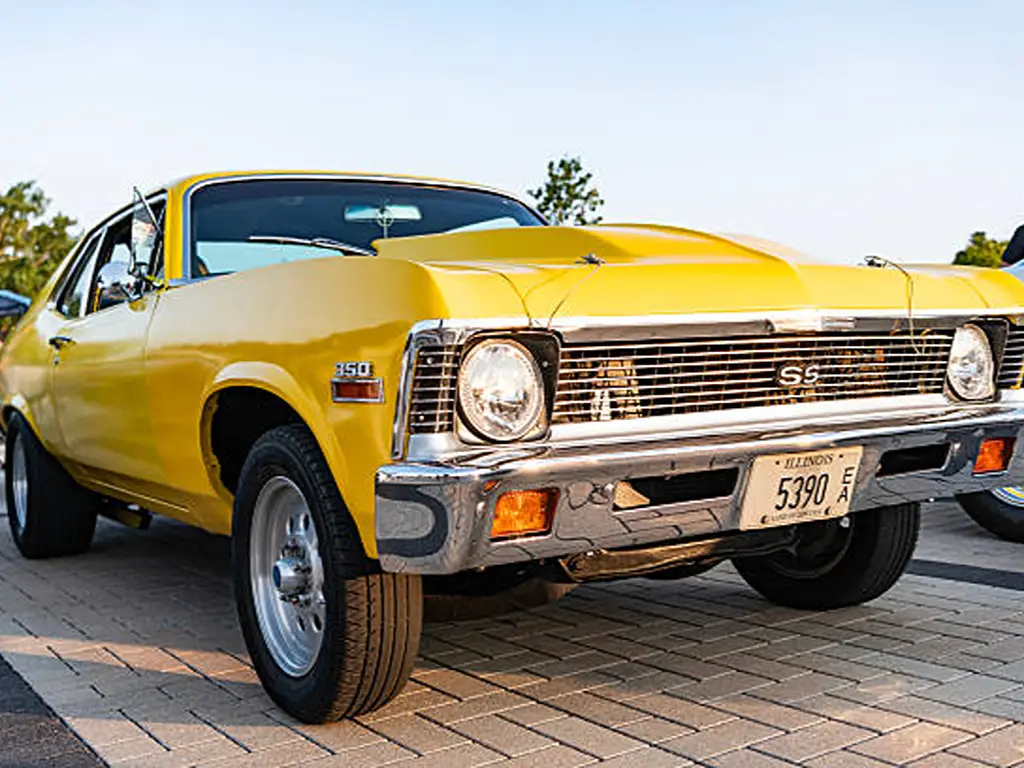
Sourcing Genuine GM OEM Parts
When maximum reliability and perfect electronic communication are required, genuine GM OEM is the only path. The procurement strategy, however, differs drastically based on who is buying and how quickly the vehicle needs to be back on the road. Here is how to exploit each channel’s specific advantages.
Dealerships (Trade Discounts vs. MSRP)
The Challenge: Individual buyers walking up to the retail parts counter will typically pay full MSRP. That 30% premium can inflate a repair bill rapidly.
The Advantage & Solution: You are paying for immediate, same-day availability and absolute authenticity. Furthermore, professional restoration shops and parts suppliers can establish commercial trade accounts to secure substantial discounts, priority stock allocation, and same-day local delivery, keeping their service bays highly profitable and minimizing vehicle downtime.
Authorized Online GM Retailers
The Challenge: Shipping heavy OEM parts across the country can incur massive “oversized freight” fees that wipe out any online discount.
The Advantage & Solution: Platforms like GMPartsDirect are actual high-volume franchise dealerships selling online. This provides the ultimate loophole for individual buyers to access true wholesale pricing on lightweight but expensive items (like BCMs, MAF sensors, and OEM key fobs), completely bypassing the local dealership markup as long as freight costs are calculated carefully at checkout.
Navigating the Aftermarket E-Commerce Landscape
For planned maintenance, suspension upgrades, and budget-conscious buyers, the aftermarket is the largest volume sector. However, choosing the wrong platform can lead to logistical nightmares. Selecting the right platform unlocks massive cost savings and repair efficiency.
RockAuto vs. 1A Auto: Know Your Platform
| Platform | The Trade-Off (Watch Out For) | The Strategic Advantage & Solution |
|---|---|---|
| RockAuto | Cross-warehouse shipping: Ordering 5 parts might ship from 3 different geographic locations, tripling your shipping fees. | Unbeatable baseline pricing. By using their “choose parts from the same location” truck icon in the cart, experienced buyers can consolidate shipping and secure the lowest absolute cost for major suspension and brake overhauls. |
| 1A Auto | Prices are slightly higher across the board to subsidize their massive video production and customer support teams. | Curated project kits & guidance. Parts integrate directly with highly detailed, model-specific YouTube repair videos. This empowers first-time individual buyers to tackle complex jobs (like window regulators), saving hundreds in mechanic labor rates. |
The Commingled Inventory Trap (Amazon/eBay)
Buying generic plastic clips, floor mats, or wiper blades on Amazon offers the advantage of fast, free shipping. However, due to “Commingled Inventory” logistics, authentic OEM boxes are frequently mixed with counterfeit returns in fulfillment centers. A fake MAF sensor, a hollowed-out catalytic converter, or a low-quality timing chain can catastrophically destroy a Chevy engine. Solution: Always rely on vetted, automotive-specific suppliers for mechanical and electrical components to protect your engine from catastrophic failure.
Leveraging Local Auto Parts Stores
National Chains and the Core Charge Loophole
While base prices at AutoZone, Advance Auto, or O’Reilly are generally higher than online retailers, they offer a distinct, powerful financial advantage for heavy remanufactured parts: The Core Charge Loophole. Starters, alternators, steering racks, and brake calipers carry a core deposit (often $40-$100) that is refunded when you return the broken part.
Buying these heavy items online means paying exorbitant return freight on a 25lb piece of scrap metal just to get your deposit back, often resulting in a net loss. The Advantage: Buying locally allows you to drop the core off on your drive home, securing your full refund instantly without freight penalties. Furthermore, their nationwide lifetime warranties mean if a water pump fails three years later on a road trip, you can walk into any branch nationwide and swap it for a brand new unit for free.
Independent NAPA Jobbers
The Challenge: High-volume shops often struggle with cash flow and parts delivery speed when relying entirely on national retail chains geared toward walk-in consumers.
The Advantage & Solution: For restoration shops, local distributors, and heavy-duty mechanics, building a relationship with an independent “Jobber” store is a game-changer. It unlocks commercial accounts and Net-30 billing terms, drastically improving monthly cash flow. Jobbers also provide access to high-quality, professional-grade white-box parts and specialized machining services that national retail chains simply do not support, ensuring repairs are done right the first time.
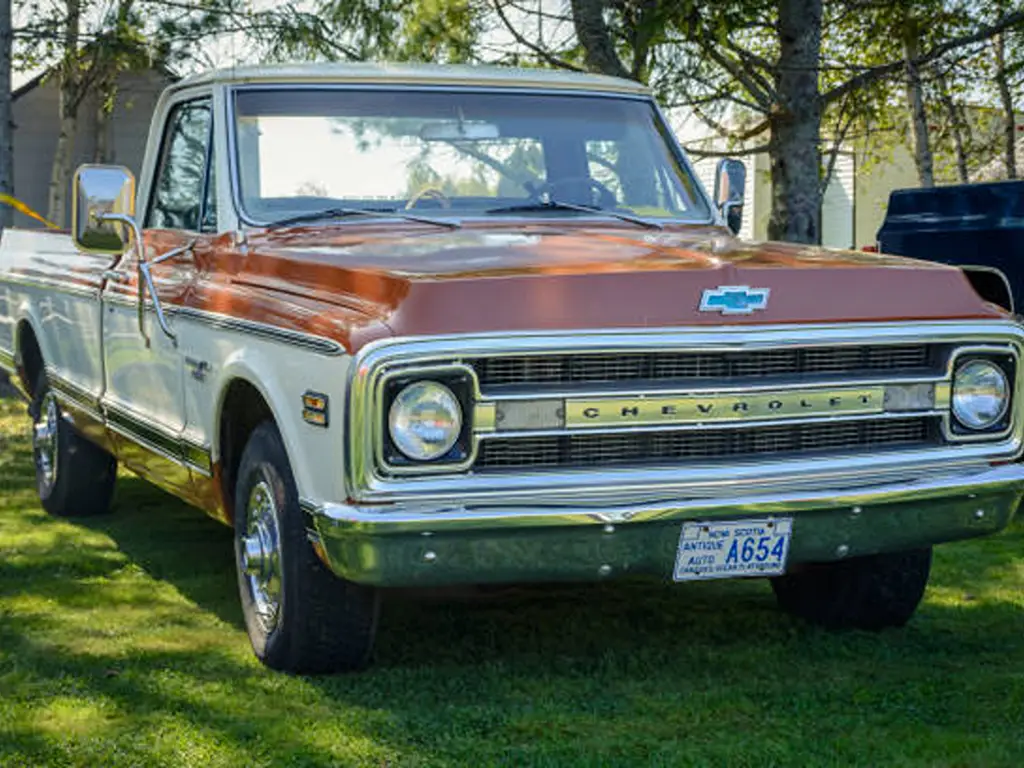
OEM, Aftermarket, and The Reproduction Route
The ultimate buyer’s dilemma: When is it safe to save money, and when is cheaping out a recipe for engine failure? Knowing exactly which tier of parts to buy is just as important as knowing where to buy them.
When OEM is Non-Negotiable
Never compromise on Engine Sensors (MAF, O2), Body Control Modules (BCM), and Internal Transmission Solenoids. Aftermarket electronics have notorious variances in electrical resistance. Saving $40 on a generic O2 sensor will almost guarantee a permanent Check Engine Light, poor idle, and failed emissions tests. For computer-networked parts, the vehicle only speaks GM’s exact language. Sticking to OEM guarantees seamless communication and prevents hours of diagnostic headaches.
Safe Zones for ACDelco & Aftermarket
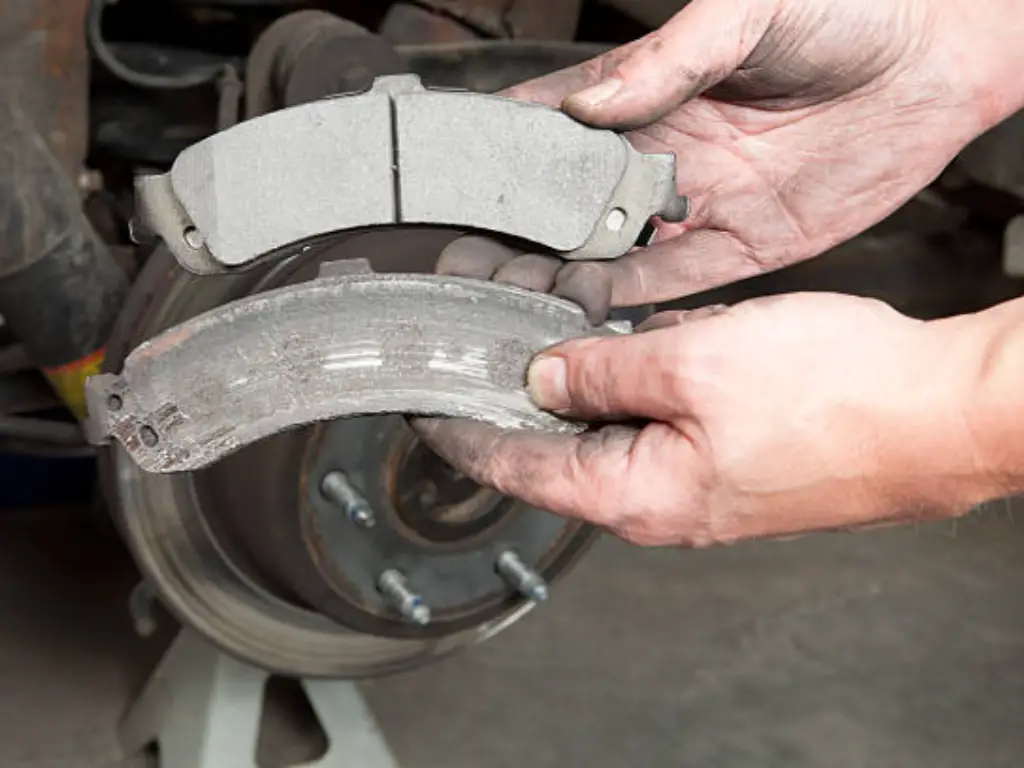
For wear-and-tear items (brake pads, cabin filters, suspension links), high-quality aftermarket is perfectly safe and often superior in daily-driving conditions. GM’s official aftermarket brand, ACDelco, offers “Gold” (Professional) and “Silver” (Advantage) tiers. The Advantage: If genuine OEM is out of your budget, ACDelco Gold is the ultimate factory-approved alternative that balances professional-grade reliability with highly accessible pricing.
The Reproduction Route: Sourcing NLA Parts for Distributors
If you are supplying parts for or actively restoring a classic Chevrolet—like a C1500 Silverado, a vintage Bel Air, an older Impala, or a Square Body C/K—you will eventually hit a brick wall: New Old Stock (NOS) is depleted, and the dealer network has officially marked the part as No Longer Available (NLA).
Individual buyers often turn to junkyards, reluctantly settling for parts suffering from decades of UV degradation, brittle plastics, and metal fatigue. But for professional suppliers, distributors, and high-end restoration shops, relying on unpredictable and degrading junkyard salvage is not a scalable business model and damages brand reputation.
The Supply Chain Solution & Advantage: When OEM is gone forever, specialized reproduction manufacturers step in. Experts like Sunway Autoparts utilize advanced 3D laser scanning and in-house tooling to reverse-engineer obsolete components. By manufacturing to exact OE specifications—and often upgrading the underlying metallurgy and polymers to modern standards—Sunway allows distributors and shops to bypass the salvage yard completely. This secures a reliable, pristine, and highly profitable supply of classic car parts, ensuring your inventory never runs dry.
The Ultimate Buyer’s Guide: Choosing the Right Channel & Final Checklist
Ultimately, deciding exactly where to buy Chevrolet parts depends entirely on what part you need, who you are, and what logistical advantages you want to exploit. Before executing a purchase order or hitting “Add to Cart,” review this channel breakdown and run through the targeted checklist tailored to your specific procurement path:
Quick Recap: Where Should You Buy?
- Need it today or returning a heavy core (Alternators/Calipers)? → Head to Local Chain Stores to save on freight and secure lifetime warranties.
- Need critical sensors or control modules at a discount? → Shop at Authorized Online GM Retailers to get genuine parts at wholesale pricing.
- Need standard maintenance consumables (Brakes/Filters)? → Browse Specialized E-Commerce platforms for the widest selection and lowest bulk costs.
- Need discontinued (NLA) parts for a classic restoration? → Partner with Reproduction Manufacturers like Sunway Autoparts for guaranteed fitment and supply chain stability.
Path A: For Individual Buyers
- Verify RPO Codes: Check the SPID sticker in your glovebox to confirm exact suspension, gear ratio, and trim packages before blindly trusting a website dropdown menu.
- Audit the RMA Policy: Read the fine print. Does the vendor charge a steep 20% restocking fee? Are sensitive electronic modules strictly non-returnable once the plastic packaging is opened?
- Calculate Freight vs. Core: If buying heavy remanufactured parts, calculate if the return shipping for the core negates the upfront online savings. If it does, utilize local stores to maximize savings.
- Inspect for Authenticity: Upon delivery, check ACDelco packaging for holographic security seals and QR codes to avoid installing counterfeit parts that could harm your engine.
Path B: For Suppliers & Distributors
- Activate Commercial Perks: Ensure you have established official Trade Accounts with local Jobbers and Dealerships to lock in optimal Net-30 terms, tiered pricing, and priority delivery.
- EPC Cross-Verification: Implement a mandatory internal SOP to verify Superseded Part Numbers via official GM EPC databases before generating quotes for clients to ensure absolute accuracy and protect margins.
- Explore More Supply Options: Besides OEM suppliers and classic car parts retailers, buyers can also work with manufacturers that specialize in reverse engineering and reproducing discontinued Chevrolet parts. Companies like Sunway Autoparts help distributors and restoration shops source OE-spec replacement parts for hard-to-find classic Chevy components, building a stable, profitable inventory network.
Struggling to maintain a reliable inventory of discontinued or classic Chevrolet parts for your distribution network?
Explore Sunway’s OE-Spec Reproduction Capabilities





 English
  Spanish
  French
  German